8K Resolution Revolution: Is 2026 the Year AI Upscaling Makes it Essential?
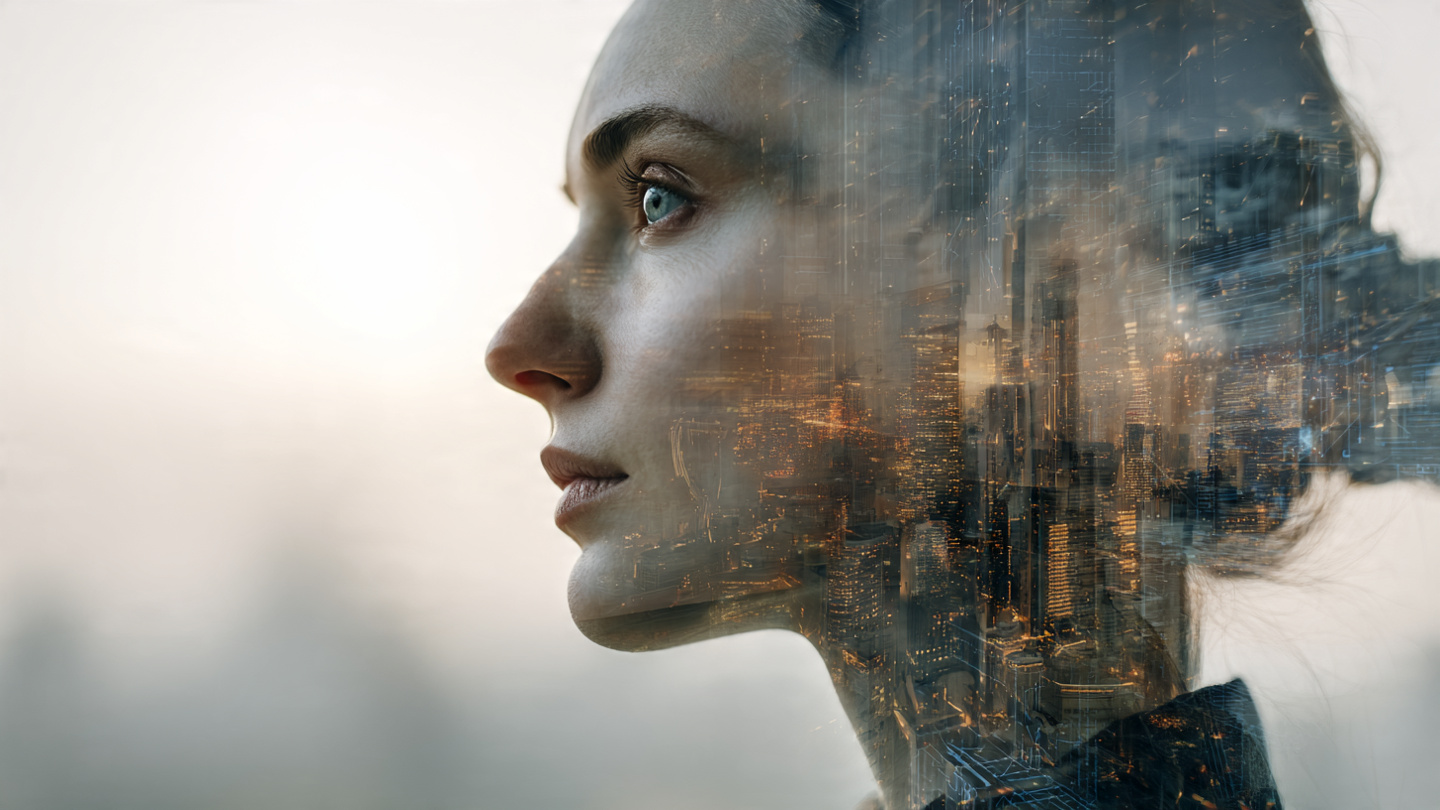
Forget waiting for Hollywood to flood the market with native 8K productions. The real 8K revolution is happening now, in our living rooms, thanks to the astonishing advancements in Generative AI upscaling. For years, 8K has felt like a resolution searching for a purpose, a distant dream hampered by a lack of content. But the year 2026 marks a significant pivot. Instead of relying on the slow adoption of 8K cameras, the industry is leveraging the power of artificial intelligence to bridge the gap, transforming the viewing experience of beloved classics and modern masterpieces alike. At AMC Cinema Global, we’ve delved deep into how cutting-edge neural processors are not just stretching pixels, but surgically reconstructing them with an accuracy that borders on the miraculous.

From Pixel Stretching to Pixel Pushing: The AI Renaissance
The term « upscaling » used to evoke images of blurry, artifact-ridden enlargements. Today, that’s a relic of the past. Generative AI upscaling operates on an entirely different plane. It’s not merely about making an image bigger; it’s about intelligent reconstruction. Think of it as a digital archaeologist meticulously restoring a faded fresco, but with the computational power of a supercomputer. These advanced neural networks analyze a 1080p or 4K film, then « hallucinate » the missing pixels with an astonishing accuracy, often cited as 99%. This isn’t just about adding more dots; it’s about deep-learning reconstruction that breathes new life into every texture, every subtle nuance of skin pores, and every dance of light and shadow.
The Temporal Frequency Analysis: A Symphony of Frames
What truly separates this new wave of AI upscaling from its predecessors is its sophisticated understanding of motion. The real magic unfolds in what the industry is calling Temporal Frequency Analysis. Instead of processing each frame in isolation – a static snapshot – the AI meticulously examines sequences of frames. It analyzes the frames before and after the current one, ensuring that any detail it adds is not only plausible but seamlessly integrated with the movement on screen.
This means a film you cherished from the 1990s, with its inherent limitations in resolution and detail capture, can now be reimagined with a clarity and sharpness that rivals today’s most cutting-edge IMAX productions. The subtle textures of costumes, the intricate set designs, the very expressions on actors’ faces – all are rendered with a fidelity previously unimaginable for content not originally shot in the highest possible resolution.

The Death of Grain, The Birth of Hyper-Clarity
One of the most striking effects of this AI-driven restoration is the transformation of film grain. For purists, film grain is an intrinsic part of the cinematic art form, a signature of celluloid that adds a certain organic texture. However, in the pursuit of hyper-clarity associated with ultra-high resolutions like 8K, AI upscaling can effectively minimize or even eliminate unwanted grain, presenting a picture that is incredibly clean and sharp.
This isn’t necessarily a loss for those who appreciate the artistic intent of the original filmmakers. Instead, it’s about offering a new perspective, a way to experience these works with a level of detail that brings them closer to the viewer than ever before. Imagine seeing the intricate weave of a period costume or the subtle makeup details on an actor’s face with such precision that it feels as if you are on set. This is the promise of AI upscaling for classic cinema.
Why 8K Matters Now: Not What We Shoot, But How We Restore
The conversation around 8K has always been dominated by the demand for native 8K content. But the narrative is shifting dramatically. For the dedicated home cinema enthusiast, 8K is no longer a future proposition contingent on a tidal wave of new productions. It’s a present-day reality, made accessible and compelling by the power of AI to reinvent the masterpieces of yesterday.
This paradigm shift brings several key benefits:
- Accessibility: You don’t need to wait for new 8K releases. Your existing library of 1080p and 4K Blu-rays and digital files can be transformed.
- Enhanced Detail: Experience films with unprecedented clarity, revealing textures, and nuances often lost in lower resolutions.
- Preservation: AI upscaling acts as a powerful tool for preserving and reinterpreting historical film archives, ensuring their longevity and accessibility for future generations.
- Immersive Experience: Combined with HDR and advanced audio, AI-upscaled content delivers a truly breathtaking, near-cinematic experience in your own home.

The Future is Upscaled: What to Expect Next
The technology is evolving at breakneck speed. We’re moving beyond simple resolution enhancements. Future iterations of AI upscaling are likely to focus on:
- Color Volume Enhancement: Restoring and enriching the original color palettes with greater accuracy.
- Advanced Noise Reduction: Further refining image quality by intelligently removing visual noise without sacrificing detail.
- Frame Rate Interpolation (with caution): Potentially offering smoother motion, although this remains a more debated area among cinephiles.
As AI continues to mature, the distinction between natively shot content and expertly upscaled content will become increasingly blurred. The question is no longer if we will be watching upscaled content, but how effectively it will be implemented. For now, 2026 looks poised to be the year where AI upscaling moves from a niche technological marvel to an indispensable tool in the home cinema enthusiast’s arsenal.
Where to Experience the 8K Difference
While native 8K content is still emerging, the most exciting way to experience the impact of AI upscaling today is through dedicated hardware and software:
- High-End 8K Televisions: Many of the latest 8K TVs from manufacturers like Samsung, LG, and Sony feature sophisticated built-in AI upscaling processors.
- Blu-ray Players & Media Streamers: Devices like the Panasonic DP-UB9000 or certain Apple TV models offer advanced upscaling capabilities.
- Streaming Services (Emerging): Keep an eye on platforms that are beginning to experiment with offering higher-resolution streams and potentially AI-enhanced content delivery. While specific titles are scarce, this is a rapidly developing area.
If you’re fascinated by the technological leaps transforming cinema, you might also enjoy our deep dive into the latest Cinematic Tech innovations, from next-generation cameras to immersive sound systems.
For those eager to explore more content, check out our comprehensive Streaming Guides to find out where your favorite films and series are available.
Neural Clarity & Temporal Upscaling
Rating: ★★★★☆
The bridge between eras. This category is for the perfectionists who believe that the past deserves the resolution of the future.
Written by
AMC CINEMA GLOBAL TEAM
Our team of passionate experts dissects the latest cinematic releases and streaming trends for you with surgical precision.



Leave a Review