Beyond the Event Horizon: Best Sci-Fi Movies Like Interstellar’s Grandeur
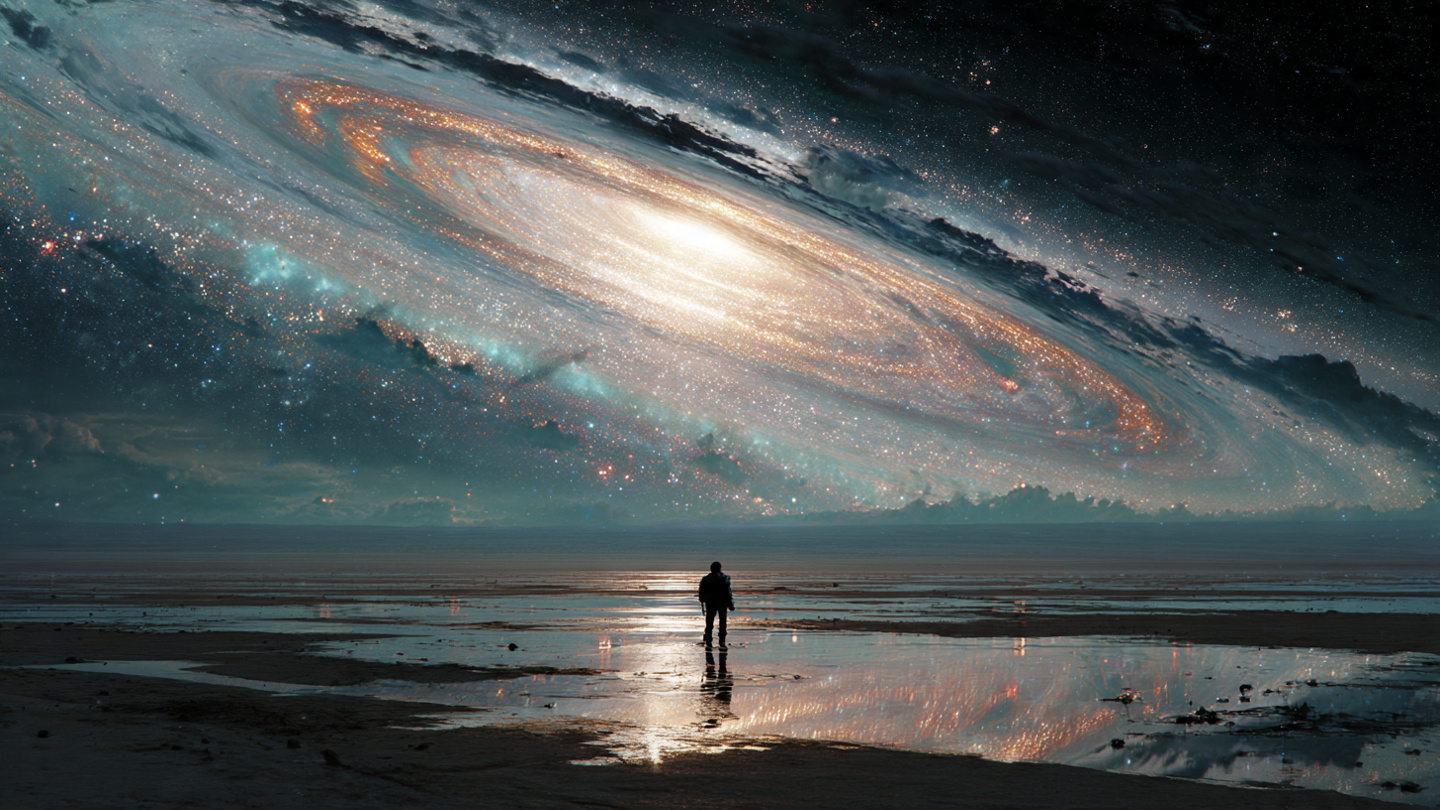
Interstellar redefined what it means to be a modern science fiction epic. Christopher Nolan masterfully fused theoretical physics with a profound father-daughter narrative, creating an experience that resonated deeply with audiences and critics alike. Since its monumental release, the quest for films that capture that same blend of cosmic wonder and raw emotional gravity has been a driving force for cinephiles and genre enthusiasts. At AMC Cinema Global, we understand this yearning for intellectual stimulation and emotional resonance. We’ve meticulously curated a selection of films that not only echo the ambitious spirit of Interstellar but also push the boundaries of cinematic storytelling, leaving you questioning reality and contemplating our place in the universe long after the credits roll. Prepare to embark on a journey through the stars and the depths of the human psyche.

The Enduring Legacy of Interstellar
Before diving into our curated list, it’s crucial to acknowledge the seismic impact of Interstellar. Released in 2014, Nolan’s ambitious project wasn’t just a film; it was an event. It dared to tackle complex scientific concepts like wormholes, black holes, and time dilation with a level of visual and narrative sophistication rarely seen in mainstream cinema. The film’s success, grossing over $701 million worldwide against a budget of $165 million, demonstrated a significant audience appetite for intelligent, concept-driven science fiction. Its critical reception was largely positive, with particular praise for its visual effects, ambition, and emotional core, though some found its exposition occasionally heavy-handed. Interstellar‘s lasting influence is undeniable, setting a new benchmark for the genre and proving that blockbuster cinema can be both intellectually stimulating and profoundly moving. We see its echoes in the continued exploration of existential themes and scientific plausibility in contemporary sci-fi.
Project Hail Mary (2026) – The New Gold Standard in Space Exploration
A Spiritual Successor Emerges
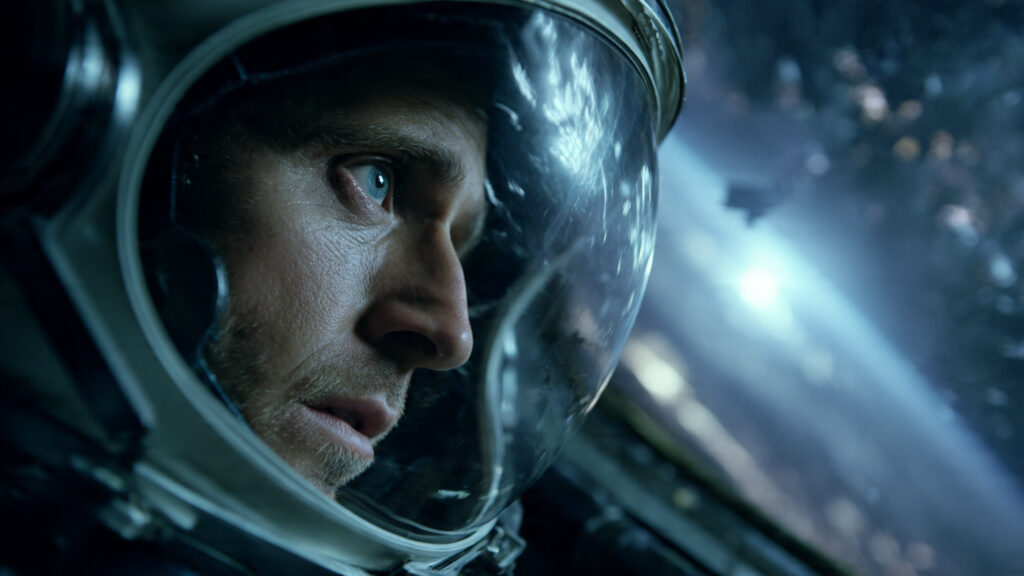
Freshly debuted and already sparking immense discussion, Project Hail Mary is poised to become the spiritual successor to the awe-inspiring narratives we’ve come to love. Drawing inspiration from the celebrated novel by Andy Weir, the mastermind behind The Martian, this film plunges us into a desperate cosmic mission. We follow Ryland Grace, portrayed by Ryan Gosling, an astronaut who awakens aboard a spacecraft with a confounding case of amnesia. His mission: to save humanity from an impending solar extinction event. The film’s near-future setting and its grounding in plausible scientific challenges immediately connect with the cerebral appeal of Interstellar.
Why It Captures the Interstellar Spirit
Project Hail Mary masterfully balances « hard science » – the kind that makes you feel smarter just by watching – with a profound sense of a lonesome, make-or-break mission across the vastness of space. The narrative thrives on problem-solving, much like Mark Watney’s struggles on Mars, but scales the stakes to a species-level threat. The visual presentation is equally compelling; the fidelity with which the ship’s interior is rendered and the imaginative yet scientifically-informed depiction of alien physics make it a must-see, especially for those equipped with cutting-edge 4K HDR setups. This dedication to visual and scientific accuracy is a hallmark of films aiming for the Interstellar echelon. It’s a cinematic experience that promises both intellectual rigor and edge-of-your-seat tension. For more on thrilling space adventures, explore our curated list of Action films that push the boundaries of human endeavor.
Arrival (2016) – Decoding the Universe Through Language
Beyond the Stars, Into the Mind
If the mind-bending « Tesseract » sequence in Interstellar left you contemplating the nature of time and connection, then Denis Villeneuve’s Arrival offers a profound and equally thought-provoking cinematic journey. While Nolan explored the physical frontiers of space and time, Villeneuve turns his gaze inward, delving into the « physics of language » and its capacity to reshape human perception. This isn’t a film about battling aliens; it’s about understanding them, and in doing so, understanding ourselves.
A Masterclass in Non-Linear Narrative
Where Arrival truly distinguishes itself, much like Interstellar, is in its innovative use of time. Villeneuve, akin to Nolan, eschews a strictly linear progression, employing time not merely as a backdrop but as a fundamental tool for emotional revelation and narrative complexity. Amy Adams delivers a performance that is nothing short of legendary as Dr. Louise Banks, a linguist tasked with deciphering the complex language of extraterrestrial visitors. Her journey is one of quiet intensity, marked by moments of profound intellectual discovery and deeply personal grief. The film’s ambiguous, yet ultimately hopeful, conclusion resonates with a similar emotional weight to Interstellar‘s themes of love transcending dimensions. This kind of thoughtful, character-driven science fiction, dealing with profound existential questions, continues to be a powerful draw. For those fascinated by intelligent narratives, our Drama film section offers many compelling options.
Sunshine (2007) – The Claustrophobia of the Void
A Visually Stunning Descent into the Sun
Long before he orchestrated the dazzling spectacle of the London Olympics, director Danny Boyle gifted us Sunshine, a film that plunges its audience into the chilling vastness of space with a singular, terrifying purpose. A handpicked crew is dispatched on a mission to reignite our dying sun with a colossal nuclear payload. The stakes couldn’t be higher: the survival of humanity rests on their success.
Capturing the Existential Dread
The vibe of Sunshine is one of palpable « claustrophobia of the void, » a sentiment eerily reminiscent of the isolation felt by the crew of the Endurance in Interstellar. Boyle crafts an environment where the immense beauty of space is juxtaposed with an overwhelming sense of dread and psychological pressure. The cinematography, bathed in an ethereal, golden hue, is breathtakingly beautiful yet deeply unsettling. Complementing the stunning visuals is the haunting, unforgettable score by John Murphy, which amplifies the film’s descent into a psychological pressure cooker. This intense focus on the mental toll of space travel and survival, combined with its visual artistry, places Sunshine firmly in the pantheon of compelling, high-concept science fiction that challenges and mesmerizes its viewers. Discover more visually striking films in our Sci-Fi category.

Ad Astra (2019) – The Meditative Father-Son Odyssey
A Son’s Journey to the Stars
While Interstellar chronicles a father’s desperate journey back to his daughter, James Gray’s Ad Astra presents a parallel narrative, exploring a son’s arduous voyage to the edge of the solar system in search of his estranged father. Brad Pitt stars as Major Roy McBride, an astronaut known for his unwavering composure, who undertakes a mission that forces him to confront not only the vastness of space but also the deep-seated emotional chasm between him and his legendary, potentially unstable, physicist father.
Surgical Precision in Space
The film is distinguished by its « surgical » detail and meticulous realism in depicting space travel. The visceral lunar chase scene, a masterclass in action choreography set against an alien landscape, and the hauntingly beautiful, yet scientifically grounded, depiction of Neptune’s rings are technical marvels. Ad Astra offers a more meditative, introspective take on space exploration. It poignantly explores the profound psychological toll of isolation and the inherent loneliness that accompanies such ambitious endeavors. This exploration of the human condition against the backdrop of cosmic grandeur aligns perfectly with the sensibilities that made Interstellar so impactful. The film invites contemplation on legacy, connection, and the search for meaning in the often-unforgiving expanse of the cosmos. Explore more visually stunning and thought-provoking films in our Adventure section.
2001: A Space Odyssey (Restored 4K) – The Architect of Cosmic Cinema
The Unseen Blueprint
No discussion of films that echo Interstellar‘s ambition and philosophical depth can be complete without acknowledging the foundational masterpiece that is Stanley Kubrick’s 2001: A Space Odyssey. Released in 1968, this film didn’t just predict the future of space travel; it fundamentally altered the language of science fiction cinema. Its influence on subsequent filmmakers, including Christopher Nolan, is immeasurable. The recent availability of AI Neural Upscaling restorations in 4K has breathed new life into Kubrick’s vision, making its visuals appear as startlingly contemporary as if they were filmed yesterday.
A Timeless Connection
The connection between 2001 and Interstellar is profound. From the silent, balletic grace of the docking sequences to the enigmatic, mind-expanding metaphysical conclusion, the DNA of Nolan’s work is deeply embedded within Kubrick’s frame. Both films utilize the vastness of space not just as a setting, but as a canvas for exploring humanity’s place in the universe, the nature of intelligence, and the very definition of existence. 2001 remains a benchmark for its visual storytelling, its philosophical inquiry, and its sheer, audacious scope. It’s a testament to the power of cinema to provoke awe and wonder, a quality that Interstellar so expertly recaptured for a new generation. For those who appreciate pioneering filmmaking, our Animation and other genre categories feature films that have pushed creative boundaries.
What the Critics Are Saying
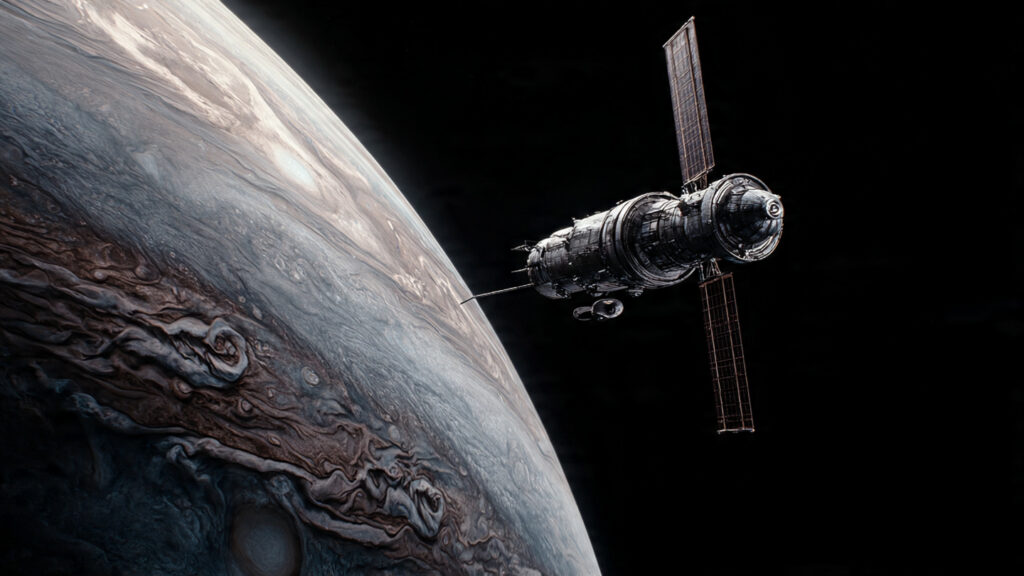
The films selected here have consistently garnered praise from critics for their ambition, intellectual rigor, and emotional depth. Review aggregators like Rotten Tomatoes and Metacritic often highlight their unique contributions to the science fiction genre. For instance, Arrival was widely lauded for Denis Villeneuve’s masterful direction and Amy Adams’s nuanced performance, with many praising its innovative approach to alien contact and its profound exploration of communication. Sunshine, while perhaps less universally acclaimed upon release than others on this list, has seen its reputation grow over time, with contemporary reviews often pointing to its stunning visual design and harrowing atmosphere as key strengths. Ad Astra was frequently cited for its breathtaking cinematography by Hoyte van Hoytema and Brad Pitt’s understated yet powerful performance, even if some critics debated its pacing. 2001: A Space Odyssey is, of course, a perennial critical darling, consistently ranked among the greatest films ever made for its groundbreaking visual effects, philosophical themes, and visionary direction by Stanley Kubrick. The consensus across these films underscores a shared commitment to challenging audiences and exploring weighty themes, a commitment that resonates deeply with the spirit of Interstellar.
2026 Update: The New Era of Space Grandeur
« If you are searching for that ‘Interstellar feeling’ in 2026, the wait is officially over. This year marks a massive comeback for hard science fiction that challenges both the mind and the soul.
1. Project Hail Mary (March 2026) Directed by Phil Lord and Christopher Miller, this is the closest we have come to the scientific wonder of Interstellar. Starring Ryan Gosling as Ryland Grace, the film captures the same ‘lonely astronaut’ aesthetic but adds a layer of hope and ingenuity that feels fresh for this year.
2. The Dog Stars (Ridley Scott – March 2026) For those who loved the post-apocalyptic earth scenes of Interstellar, Ridley Scott’s adaptation of The Dog Stars (starring Jacob Elordi) offers a beautiful, haunting look at survival and human connection after a global collapse.
3. Mickey 17 (Bong Joon-ho) While it leans more towards dark comedy, the philosophical questions about human identity and survival in space will definitely appeal to fans of Nolan’s masterpiece.
Pro Tip: If you are looking for the Full Movie experience, ensure you catch these in IMAX during their initial 2026 theatrical run to appreciate the cosmic scale. »
Analysis of Success: More Than Just Box Office
The success of films like Interstellar and its spiritual successors is multifaceted. While box office figures provide a crucial metric – Interstellar grossed an impressive $701.7 million worldwide against a production budget of approximately $165 million – their true impact often transcends mere financial returns. These films resonate because they tap into fundamental human curiosities: our fascination with the unknown, our quest for knowledge, and our deep-seated need for connection.
- Intellectual Engagement: These movies don’t shy away from complex scientific concepts. They invite audiences to think, to question, and to learn, fostering a sense of intellectual satisfaction that transcends passive entertainment. This appeals to a discerning audience actively seeking more than just spectacle.
- Emotional Resonance: Despite the grand scale and scientific underpinnings, the most powerful sci-fi films, including Interstellar, are anchored by deeply human stories. The father-daughter relationship in Interstellar, the existential loneliness in Ad Astra, or the communication barrier in Arrival all provide potent emotional cores that make the cosmic journeys relatable.
- Technological Prowess: The visual effects and production design in these films are not merely decorative; they are integral to the storytelling. The creation of believable alien worlds, advanced spacecraft, and mind-bending cosmic phenomena pushes technological boundaries and enhances immersion. The meticulous research into physics and astronomy lends an air of authenticity that captivates audiences.
- Cultural Impact: Films that achieve this level of resonance often spark wider conversations about science, philosophy, and humanity’s future. They become cultural touchstones, inspiring further research, discussion, and even scientific inquiry.
The continued exploration of these themes in films like Project Hail Mary suggests a sustainable market for intelligent, ambitious science fiction that offers both a visual feast and a mental workout. For more groundbreaking cinematic experiences, consider exploring our Streaming Guides for the latest releases and hidden gems.
Conclusion: The Search for the Sublime Continues
The legacy of Interstellar is not just in its stunning visuals or its complex scientific concepts, but in its ability to inspire a profound sense of awe and contemplation. The films we’ve highlighted – Project Hail Mary, Arrival, Sunshine, Ad Astra, and the timeless 2001: A Space Odyssey – each offer their unique take on the vastness of space, the complexities of the human condition, and the boundless potential of cinematic storytelling. They push boundaries, challenge perceptions, and remind us of our small yet significant place in the grand cosmic tapestry. Whether you’re drawn to the hard science, the emotional depth, or the sheer visual spectacle, these films provide an unparalleled journey into the heart of what makes science fiction such an enduring and vital genre.
We encourage you to explore these cinematic marvels and continue your own search for the sublime. For the latest reviews, streaming guides, and industry insights, make AMC Cinema Global your ultimate destination. Discover more incredible films across all genres by visiting our Main Page.
Written by
AMC CINEMA GLOBAL TEAM
Our team of passionate experts dissects the latest cinematic releases and streaming trends for you with surgical precision.



Leave a Review