Binge-Watching vs. Weekly Drops: The Psychology of Pacing and Its Impact on Your Brain

Remember the days when you’d count down the minutes until the next episode of your favorite show? That anticipation, the watercooler chats the next day dissecting every cliffhanger – it was a communal experience. Then came Netflix, shaking up the game with its « all-at-once » release model, promising the ultimate in viewer convenience: the binge-watch. But as we navigate the streaming landscape of 2026, a fascinating shift is occurring, and here at AMC Cinema Global, we’re diving deep into the psychological surgery that pacing performs on our viewing habits, our memories, and our very connection to the stories we love. Is the dopamine rush of the binge worth the narrative decay it often leaves behind?
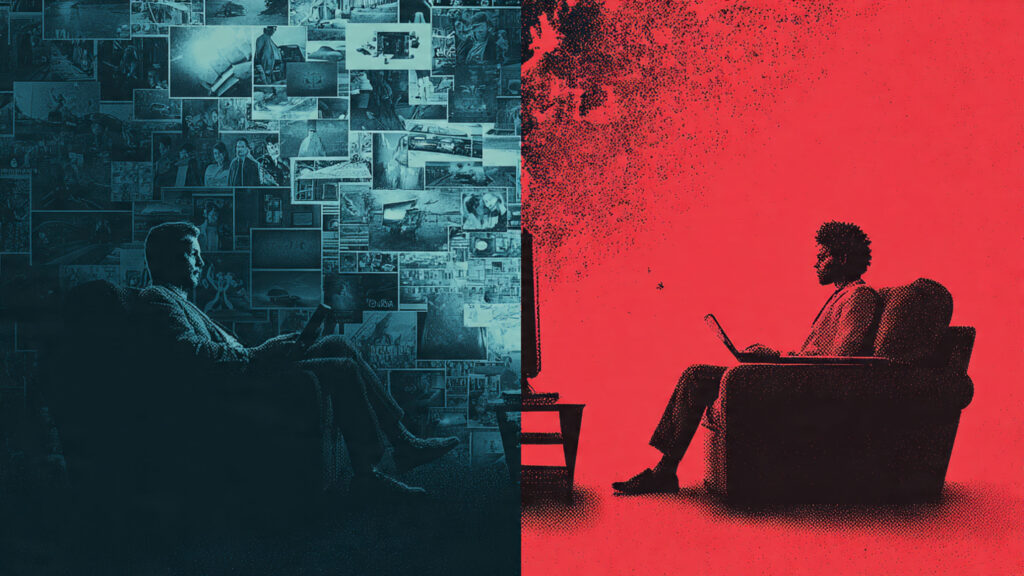
The Dopamine Trap: When Binge-Watching Overwhelms Your Memory
The « binge » model, a revolutionary concept that Netflix championed, offered an unprecedented level of convenience. It was, and for many still is, the ultimate indulgence: a full season, a weekend dedicated, a narrative devoured in one glorious, uninterrupted gulp. This immediate gratification delivers a powerful dopamine hit, a reward response that makes us feel good. It’s akin to opening all your Christmas presents at once – exciting, but perhaps lacking the lingering joy of unwrapping them one by one.
However, the sheer volume of content consumed in a single sitting can, paradoxically, lead to what we at AMC Cinema Global are increasingly observing as « Narrative Decay. » When you immerse yourself in 10, 12, or even 20 hours of storytelling in rapid succession, your brain’s natural archiving system can become overloaded. Think of it like trying to cram for an exam the night before it – you might absorb a lot of information, but retaining the intricate details, the subtle character arcs, the thematic nuances, becomes incredibly difficult. The surgical precision of the script, the delicate build-up of tension, the clever foreshadowing – all these elements risk becoming a blur, forgotten mere days after the final credit rolls. This isn’t a failure of the show; it’s a limitation of our own cognitive architecture when subjected to such an intense data stream.
The Renaissance of Anticipation: The Power of the « Watercooler » Moment
In stark contrast, the « Weekly Drop » model, a strategy that has seen a powerful resurgence thanks to platforms like HBO and Disney+, has reclaimed its throne as the preferred method for many. By enforcing a seven-day gap between episodes, these platforms don’t just release content; they cultivate an ecosystem of engagement. This deliberate pacing transforms a passive viewing experience into a vibrant, ongoing conversation.
This regular interval creates a « Social Fever. » It’s the perfect incubation period for:
- Speculation and Fan Theories: A week is just enough time for viewers to ponder cryptic clues, develop elaborate theories, and engage in passionate online debates.
- Deep-Dive Analysis: Podcasts, YouTube channels, and blog posts dedicated to dissecting every frame, every line of dialogue, gain traction and depth.
- Community Building: Shared anticipation and post-episode discussions forge stronger bonds among fans, turning a personal entertainment choice into a collective cultural event.
The weekly release schedule isn’t just about slower consumption; it’s about respect for the creator’s vision. It allows the audience the breathing room necessary to truly absorb the narrative, to appreciate the artistry, to anticipate what’s next, and to integrate the story into their own thinking and social lives. It transforms a television show from a disposable commodity into a cultural touchstone, a recurring appointment that enriches the week.
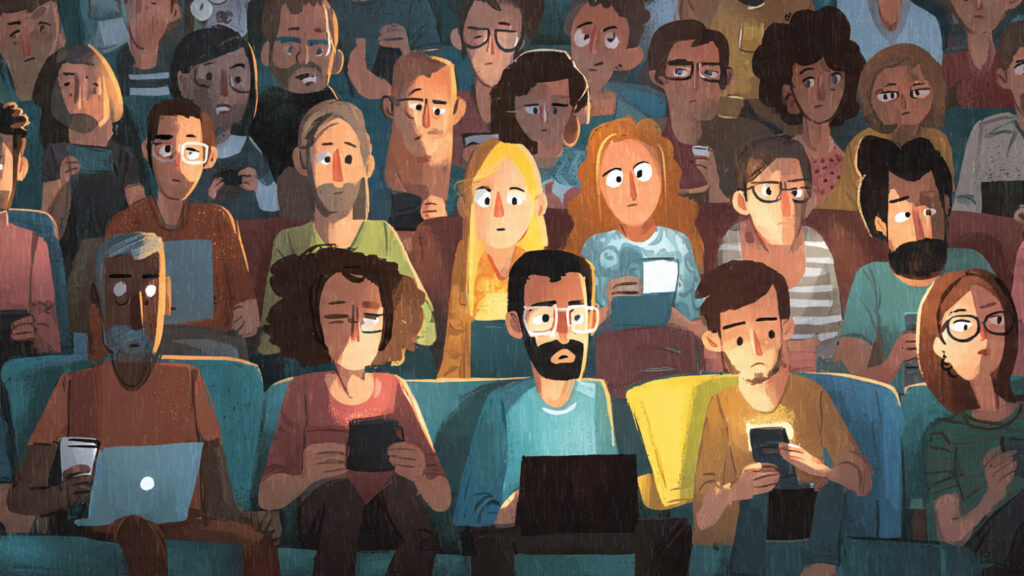
The Science Behind the Schedule: How Pacing Affects Your Brain
The difference between these two release models and their impact on our brains is rooted in cognitive psychology and neuroscience.
The Short-Term vs. Long-Term Memory Connection
- Binge-Watching: Tends to favor short-term memory consolidation. The constant influx of information can lead to a state of cognitive overload, where details are processed superficially and quickly forgotten. It’s like a rapid data download that doesn’t fully integrate. The immediate reward of finishing the series can overshadow the long-term retention of its intricacies.
- Weekly Drops: Facilitate long-term memory consolidation. The gaps between episodes allow the brain to process, reflect, and integrate the information more deeply. This repeated exposure, coupled with active discussion and theorizing, strengthens neural pathways associated with the narrative, making the story more memorable and impactful.
Engagement and Emotional Investment
The pacing of a series significantly influences our emotional investment.
- Binge-Watching: Can lead to intense, but often fleeting, emotional highs. The rapid progression might create immediate emotional responses, but the lack of space for reflection can prevent these emotions from deepening into a lasting connection with the characters or themes.
- Weekly Drops: Foster sustained emotional engagement. The anticipation builds suspense, making each new episode feel significant. The time between releases allows viewers to develop empathy for characters, to ruminate on their challenges, and to build a more profound, enduring connection to the story. This slow burn can result in a much more satisfying and memorable viewing experience.
The Social Dimension
Our brains are inherently social. We are wired to connect and share experiences.
- Binge-Watching: Can be an isolating experience. While enjoyable, it often happens in private, diminishing opportunities for shared cultural moments.
- Weekly Drops: Amplify the social aspect of viewing. They create shared cultural touchpoints, fostering discussions, debates, and a sense of collective experience. These shared moments are not only enjoyable but also contribute to how we process and remember the content. We learn and remember better when we discuss and compare our interpretations with others.

Which Model Reigns Supreme? A Verdict from AMC Cinema Global
At AMC Cinema Global, we believe the burgeoning return to the weekly model signifies a maturing of the streaming landscape. While the convenience of binge-watching is undeniable and certainly has its place for certain types of programming, the weekly drop offers a richer, more resonant, and ultimately more human way to engage with storytelling.
It’s a model that doesn’t just respect the viewer’s time but respects the artistry and craft of the filmmakers. It allows for the narrative to breathe, for characters to develop organically, and for audiences to become active participants in the cultural conversation surrounding a show. It’s about savoring a meal rather than devouring it whole.
So, the next time you find yourself on the cusp of a full-season binge, consider the power of patience. Embrace the anticipation, join the conversation, and allow the story to unfold at a pace that lets it truly sink in. Your brain, and your memory, will thank you for it.
If you’re interested in the technical aspects of how storytelling is evolving, you might want to dive into our article on The Future of Cinematography in the Age of AI in our Cinematic Tech section. For those who prefer marathoning the latest releases, our Streaming Guides offer detailed breakdowns of where to find all the shows you love at your own pace. And for a deeper understanding of narrative, don’t miss our analysis of Character Development in Modern Dramas under Movie Reviews.
Pacing, Psychology & Viewer Experience
Rating: ★★★★☆
The rhythm of storytelling. This category is for the analysts who enjoy the slow burn of a masterpiece and the thrill of the collective discovery.
Written by
AMC CINEMA GLOBAL TEAM
Our team of passionate experts dissects the latest cinematic releases and streaming trends for you with surgical precision.



Leave a Review