Generative AI: Film Industry 2026 Transformation

In 2026, the conversation surrounding artificial intelligence in cinema has irrevocably shifted. It’s no longer a matter of if AI will be integrated, but rather how deeply it has permeated the very fabric of filmmaking. From the initial spark of a script idea to the final polish of color grading, Generative AI Film Industry 2026 has rapidly transformed from a controversial experiment into an indispensable tool for major Hollywood studios. At AMC Cinema Global, we’re dissecting the four foundational pillars of this profound cinematic evolution.
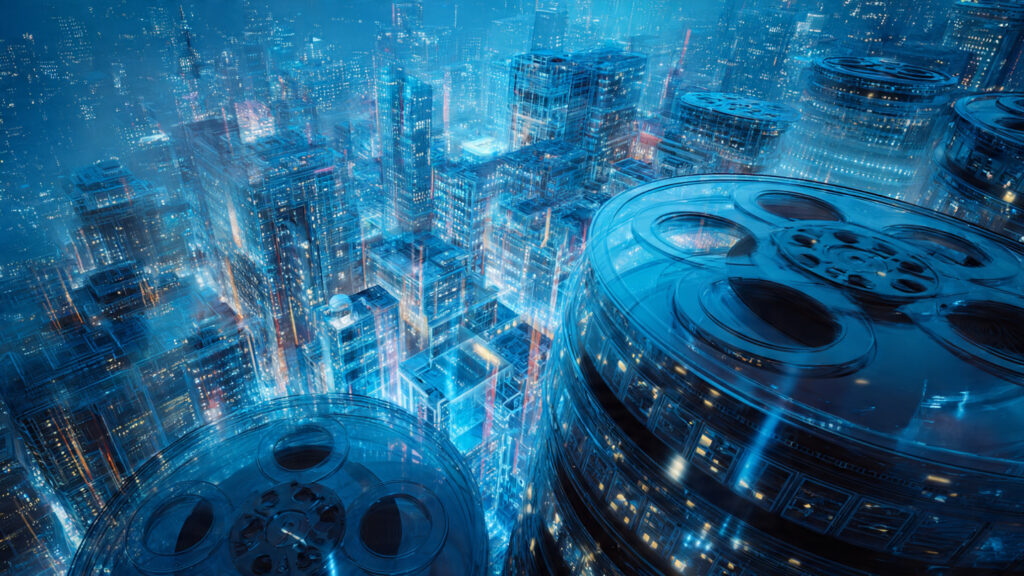
1. Scriptwriting: The AI Co-Pilot Takes the Reins
The role of the screenwriter has been augmented, not replaced, by the advent of Large Language Models (LLMs) specifically trained in dramatic structures and narrative flow. These AI assistants go beyond merely generating dialogue; they meticulously analyze pacing, map out complex emotional arcs, and even offer predictive insights into audience engagement and retention rates. This isn’t about outsourcing creativity, but about optimizing the storytelling process.
Data Point: A significant trend emerging from the prestigious « Black List » this year reveals that several critically acclaimed scripts were, in fact, co-authored by AI. These Generative AI tools proved instrumental in refining intricate plot twists and ensuring narrative coherence, thereby freeing human writers to concentrate on the nuances of character development and breathing genuine soul into their creations. This collaborative approach ensures that the emotional core of a story remains undeniably human, while the structural integrity is bolstered by powerful computational analysis.
2. Visual Effects (VFX): From Months to Mere Minutes
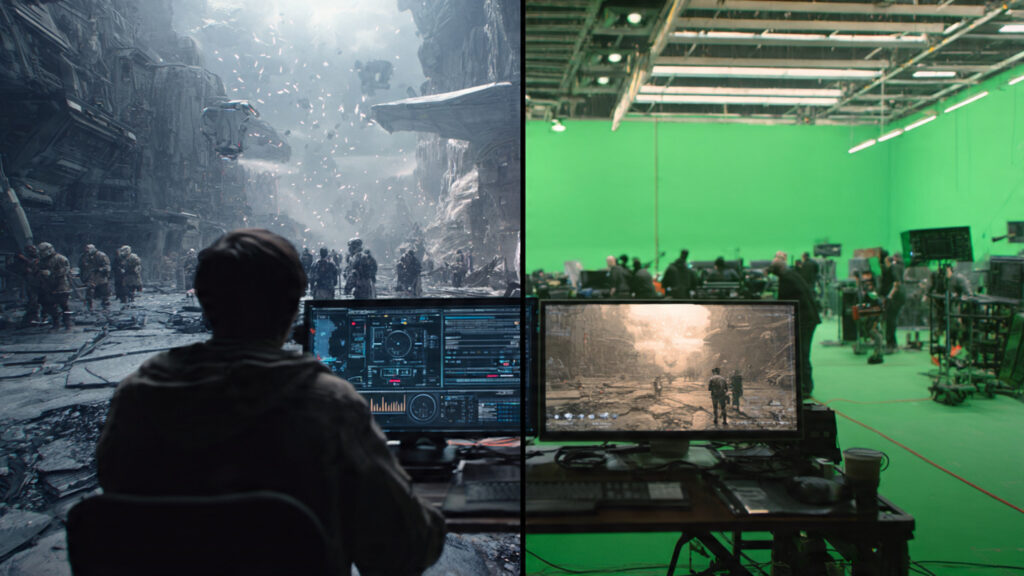
The laborious, time-consuming process of frame-by-frame rotoscoping and traditional CGI is rapidly becoming a relic of the past. Modern Generative AI models possess the remarkable capability to construct intricate digital environments—imagine the vast, awe-inspiring desert landscapes reminiscent of Dune‘s aesthetic—in a fraction of the time previously required. This technological leap is democratizing visual spectacle.
Industry Impact: The ramifications for the film industry are immense. Independent filmmakers, once constrained by prohibitive budgets for high-quality visuals, can now achieve « blockbuster » quality effects on far more accessible budgets. This seismic shift effectively levels the playing field, allowing for greater diversity in storytelling and empowering visionary creators who previously lacked the financial resources to bring their grandest ideas to life. The accessibility of sophisticated VFX tools means that creativity, rather than capital, is increasingly becoming the primary driver of cinematic innovation. Exploring a universe of visual possibilities is now within reach, and many of these projects can be found by browsing our curated Action or Sci-Fi sections.
3. The Digital Resurrection: Deepfakes and De-Aging
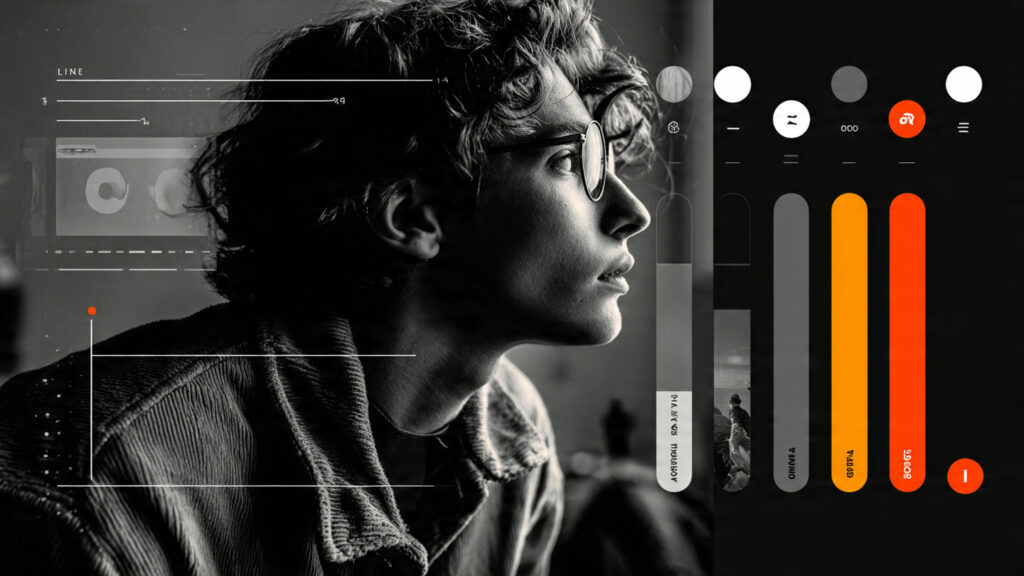
Perhaps the most visibly striking—and undoubtedly the most ethically debated—area of AI’s impact lies in the realm of acting and performance. AI-driven face-swapping and voice cloning technologies now enable flawless de-aging of actors, allowing them to convincingly portray younger versions of themselves. Even more profoundly, these advancements open the door for the digital « resurrection » of legendary actors, bringing iconic performances back to the screen in new contexts.
The Ethical Frontier: As of 2026, this new era has necessitated the implementation of crucial legal frameworks. The groundbreaking « Digital Soul » laws have been enacted globally to protect an actor’s likeness and digital persona. These regulations ensure that AI-generated counterparts of actors cannot be utilized without explicit consent and fair compensation, particularly for the estates of deceased performers. This vital legislation aims to strike a delicate balance between technological innovation and the fundamental rights of artists, ensuring that the legacy of performers is both respected and protected. This evolving landscape raises fascinating questions about performance and identity, adding another layer of complexity to the future of entertainment.
🎬 What the critics are saying
The integration of AI into filmmaking has naturally sparked a diverse range of opinions within the critical community. While some laud the new creative possibilities and efficiency gains, others express caution regarding artistic integrity and the potential for homogenization. Many critics acknowledge that when used judiciously, AI can be a powerful tool for enhancing storytelling. For instance, reviews of recent independent films have highlighted how AI-assisted visual effects have elevated their production values without sacrificing artistic vision, allowing for breathtaking visuals that belie their modest budgets. Conversely, discussions around AI-generated scripts sometimes grapple with a perceived lack of genuine emotional depth or originality, prompting ongoing debates about the irreplaceable spark of human creativity. The consensus, however, seems to be leaning towards AI as a sophisticated collaborator rather than a complete replacement for human artists.
4. Personalization: The Future of Streaming is Dynamic
The streaming giants, including Netflix and Disney+, are actively engaged in pioneering what could be the ultimate frontier of personalized viewing experiences: « Dynamic Cuts. » These AI-driven systems are designed to subtly adjust elements within a film or series—such as background music, ambient sounds, or even minor visual details—in real-time, based on a viewer’s historical preferences and engagement patterns. This technology promises a uniquely tailored cinematic journey for each individual.
The Streaming Evolution: Imagine a thriller where the tension-building score dynamically adapts to your personal threshold for suspense, or a romantic comedy where the soundtrack subtly shifts to match your preferred mood. This level of granular personalization moves beyond simple recommendation algorithms into the very fabric of the content itself. While still in its experimental phases, the potential impact on audience engagement is staggering. This push towards hyper-personalization is fundamentally changing how we interact with digital content, and many of the films and series being developed with these possibilities in mind can be explored within our comprehensive Streaming Guides.
🎥 Why this film is so emblematic of its era
The current wave of AI integration in filmmaking is not merely an iterative technological advancement; it represents a paradigm shift that is fundamentally redefining cinematic art and its production. In 2026, we are witnessing the birth of a new era where the boundaries between human creativity and artificial intelligence are increasingly blurred, leading to outcomes previously confined to science fiction. The ability to simulate performances from deceased icons, generate photorealistic environments at unprecedented speed, and even tailor the viewing experience to individual preferences, collectively signifies a profound evolution. This era will be remembered for its bold experiments in narrative construction, its democratization of high-end visual production, and its complex ethical considerations surrounding digital identity and artistic authorship. The films emerging from this period are not just stories; they are testaments to humanity’s evolving relationship with technology and its growing capacity to reshape reality itself through the lens of cinema. This transformative period is best explored through the lens of cutting-edge technology, which you can learn more about in our dedicated Cinematic Tech section.
The Path Forward
The journey of Generative AI in the film industry is far from over. As the technology continues to mature, we can anticipate even more sophisticated applications, further pushing the boundaries of what is visually and narratively possible. The challenges, particularly around ethical considerations and maintaining artistic authenticity, will undoubtedly persist. However, the undeniable impact on efficiency, creative potential, and audience engagement suggests that AI will remain a cornerstone of filmmaking for the foreseeable future. It’s an exciting, albeit complex, time to be a fan of cinema, and we at AMC Cinema Global are committed to keeping you at the forefront of these developments.
For those eager to explore the latest cinematic offerings and understand the trends shaping them, be sure to check out our comprehensive Movie Reviews and stay updated with our News: Hollywood News & Digest for the most current industry insights.
Written by
AMC CINEMA GLOBAL TEAM
Our team of passionate experts dissects the latest cinematic releases and streaming trends for you with surgical precision.


Leave a Review