The Importance of Cinematography: The Unseen Force in Today’s Cinema
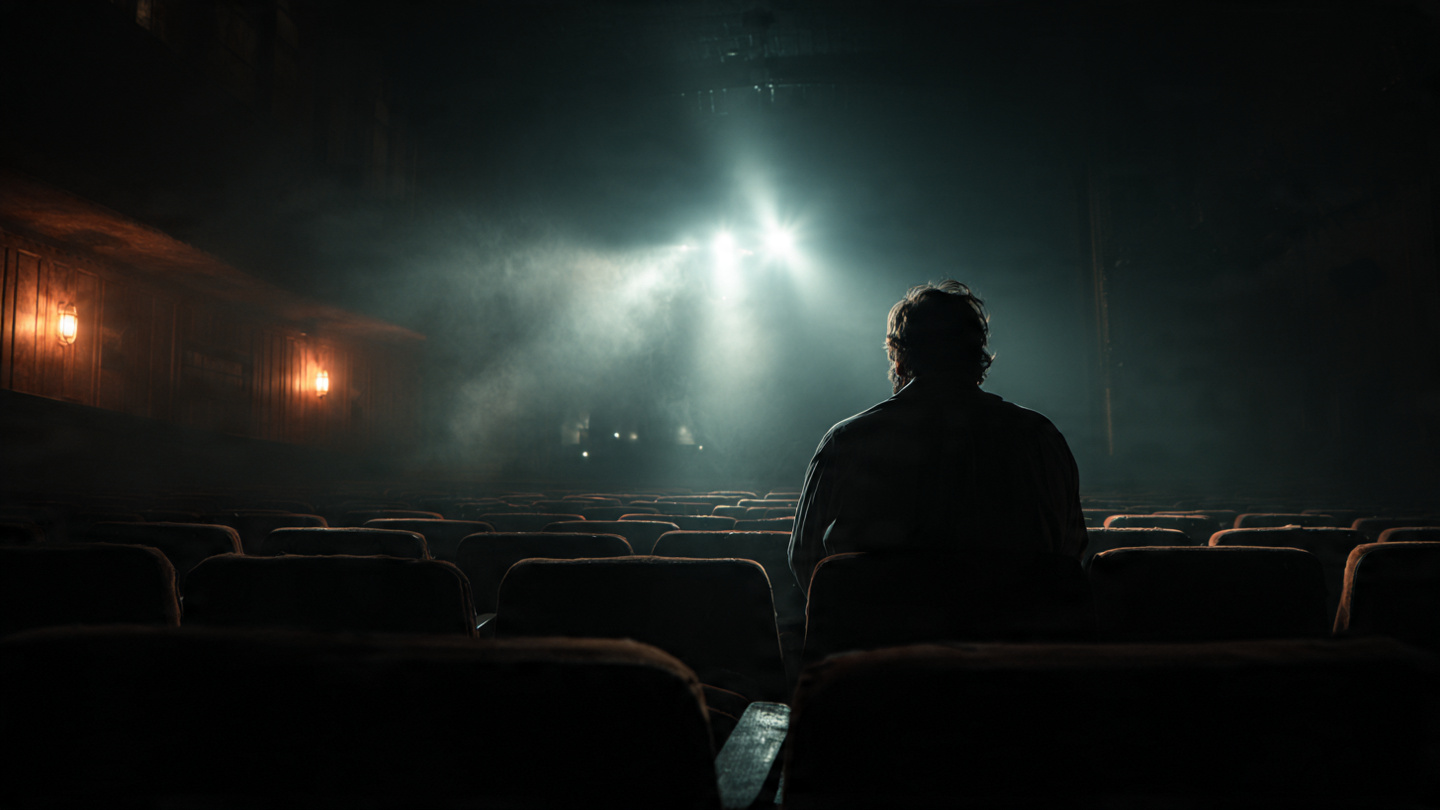
In an era where every smartphone boasts 4K capabilities, a fundamental question arises: why do we still flock to cinemas, paying for the big screen experience? The answer, my friends, is far more profound than mere spectacle; it lies in the very soul of filmmaking – cinematography. At AMC Cinema Global, we firmly believe that it is the visual artistry, the deliberate craft of capturing light and motion, that truly distinguishes mere « content » from an enduring « masterpiece. » It’s the silent language that speaks volumes, guiding our emotions and shaping our perception of the narratives unfolding before us.
Beyond the Surface: When Visuals Become the Story
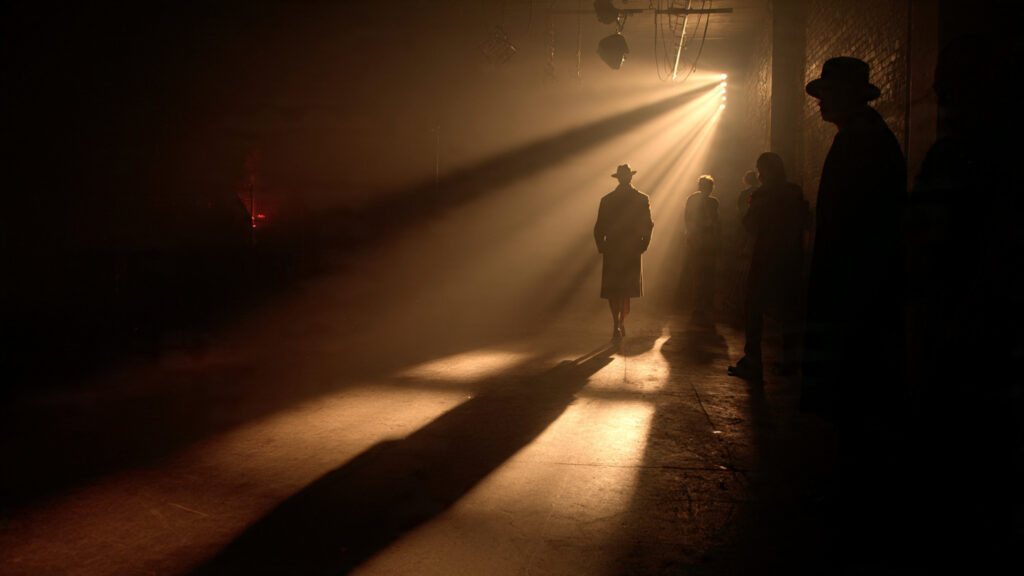
Cinematography is not simply about capturing pretty pictures; it’s about weaving a narrative through visual means. It’s the director of photography’s (DP) keen eye and technical prowess that translate a script’s abstract ideas into tangible, emotionally resonant images. This is particularly evident in genres that demand a heightened sense of immersion and world-building.
The Pulse of Action: Elevating Spectacle Through Visual Choreography
In the realm of modern action cinema, cinematography goes far beyond simply documenting explosions and high-octane chases. It is the strategic deployment of camera angles, lighting, and movement that transforms a chaotic sequence into a visceral, immersive experience. Gone are the days when ubiquitous, disorienting shaky-cam reigned supreme. Today’s action filmmakers increasingly rely on long, stable takes that not only showcase the intricate choreography of fight scenes but also allow the audience to fully absorb the physicality and emotional weight of the performers.
The impact of this visual precision is striking. A glance at the latest Action Movie Trailers on our platform reveals a mastery of lighting and camera work that channels adrenaline not just through pyrotechnics, but through the very framing of the conflict. Each shot is a deliberate choice, designed to heighten tension, emphasize the hero’s vulnerability, or underscore the sheer power of the antagonist. This is where cinematography proves its mettle, transforming a potentially generic fight into a captivating dance of kinetic energy.
Building Universes: Sci-Fi’s Reliance on Visual Storytelling
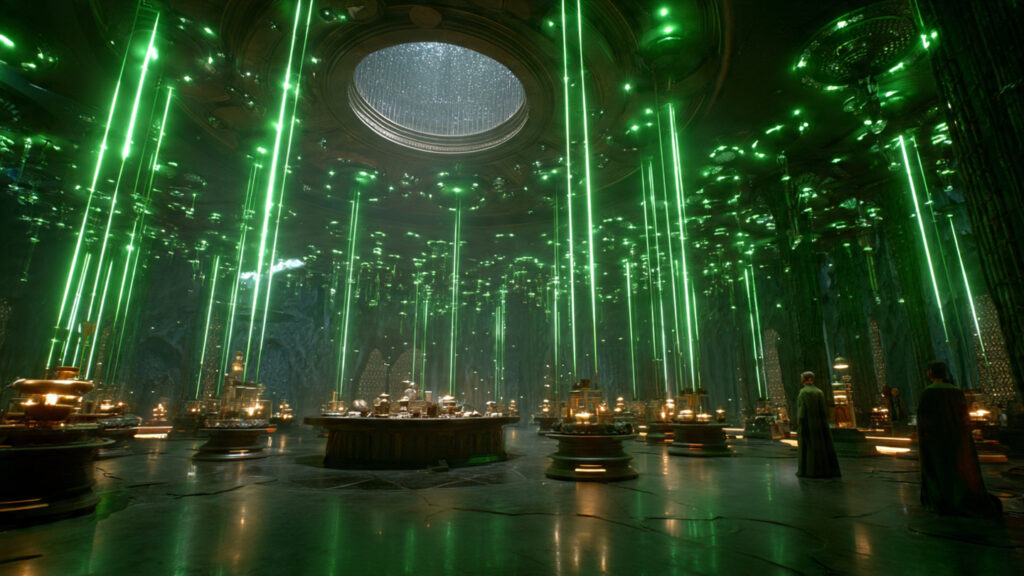
For science fiction, the importance of cinematography escalates to an almost existential level. This genre is tasked with making the impossible believable, the fantastical tangible. Whether it’s navigating the rain-slicked, neon-drenched arteries of a dystopian metropolis or traversing the desolate, alien terrains of a far-flung galaxy, the camera becomes our primary guide to understanding the rules, the mood, and the inherent dangers of these constructed worlds.
A prime example of this can be observed by exploring our curated Sci-Fi Trailer Section. Here, you’ll witness how masters of the craft, such as the legendary Roger Deakins, employ the nuanced interplay of light and shadow to construct not just futuristic aesthetics, but entire atmospheres charged with wonder, dread, or contemplative isolation. The way light falls on a metallic surface, the deliberate obscuring of certain details with shadow – these are not incidental choices; they are foundational elements in building the credibility of an alien reality.
The Camera as a Confidant: Forging Emotional Bonds
Beyond genre conventions, cinematography serves a deeply human purpose: it creates an intimate connection between the audience and the characters on screen. The camera, in the hands of a skilled DP, is not merely an observer but an active participant, a conduit for emotion.
A well-placed « close-up » can feel like a shared secret, allowing the audience to perceive the subtlest flicker of an actor’s eye, the almost imperceptible tremor of a lip, conveying a wealth of unspoken emotion. Conversely, a sweeping « wide shot » can dwarf a solitary figure against a vast landscape, powerfully communicating feelings of loneliness, insignificance, or overwhelming determination. These « surgical » choices, meticulously planned by the DP in collaboration with the director, are what imbue a film with its emotional resonance. Without them, a film risks becoming a mere recorded theatrical performance, devoid of the unique cinematic language that draws us in and makes us feel. This is a core tenet we explore further in our Drama and Romance sections, where the intimacy of the frame is paramount.
🎬 What the Critics Are Saying
While the technical jargon of cinematography might seem exclusive, its impact resonates universally. Film critics consistently praise films where the visual language elevates the narrative. Reviewers for publications like Variety and The Hollywood Reporter often highlight the DP’s contribution, noting how « stunning visuals » or « evocative cinematography » enhance the viewing experience. For instance, comments often circle around how a particular film’s « cinematic flair » or « visual poetry » breathes life into its themes. This sentiment is reflected in aggregated scores such as those found on Rotten Tomatoes, where films lauded for their visual artistry tend to command higher audience and critical approval, provided the technical prowess serves the story. The general consensus among seasoned critics is that cinematography is not an optional add-on but a fundamental pillar of cinematic art.
The Evolution of the Lens: Technology Meets Artistry
The landscape of filmmaking is in constant flux, driven by technological advancements. The proliferation of high-resolution digital cameras and sophisticated editing software has democratized filmmaking to an extent, but it has also underscored the enduring importance of the human element behind the lens. While the tools may have evolved from celluloid to digital sensors capable of capturing breathtaking detail, the core principles of composition, lighting, and movement remain paramount.
Consider the advancements in camera technology, from the ARRI Alexa’s renowned color science to the dynamic range of RED cameras. These tools allow DPs to capture images with unprecedented fidelity, enabling them to render light and shadow with incredible nuance. Furthermore, the integration of visual effects (VFX) now plays a significant role, but it is the cinematographer’s initial vision and the way they frame and light these digital creations that dictate their believability and emotional impact. This intersection of cutting-edge technology and artistic vision is a key area we delve into within our « Cinematic Tech » section, exploring how innovations are reshaping the visual storytelling possibilities.
📊 Analysis of Spectacle vs. Substance
There’s a prevailing trend in the industry, particularly with tentpole releases, to prioritize spectacle over substance. In such cases, cinematography can become a double-edged sword. On one hand, it can deliver jaw-dropping visuals that draw audiences to the cinema, as evidenced by the massive box-office success of films like James Cameron’s « Avatar » (estimated budget over $237 million) or Denis Villeneuve’s « Dune » (budget around $165 million). These films showcase masterful world-building through breathtaking cinematography, creating immersive experiences that are difficult to replicate at home.
However, when stunning visuals are not matched by a compelling narrative or well-developed characters, the film can feel hollow. Critics often point this out, noting that while a film might be a « visual feast, » it lacks « emotional depth » or a « coherent story. » This is where the true skill of a DP, working in tandem with the director, becomes critical – to ensure that the visual artistry serves the narrative and enhances emotional engagement, rather than merely existing as a series of visually impressive sequences. The challenge lies in balancing the awe-inspiring with the intimate, the epic with the personal.
The Enduring Power of the Big Screen
So, why the continued draw to the cinema? It’s the communal experience, yes, but it’s also the unparalleled impact of cinematography when properly harnessed. The sheer scale of the projected image, the darkness of the auditorium that allows the screen to dominate your senses, the carefully controlled sound design – all these elements conspire to create an immersive environment that digital devices, no matter how advanced, struggle to replicate.
A film’s cinematography is its visual heartbeat. It’s the foundation upon which emotions are built, worlds are constructed, and stories are truly told. It’s the difference between simply watching a movie and experiencing it. As Léo Marchand, I believe that understanding and appreciating this visual language is key to unlocking the full potential of cinema. Whether you’re drawn to the explosive energy of Action, the wonder of Fantasy, or the emotional depth of Drama, it is the cinematographer’s vision that will ultimately leave the most lasting impression.
🎥 Why This Film Marks Its Era
Certain films transcend their release date and become definitive markers of their time, often due to groundbreaking cinematography. Think of the pioneering use of Steadicam in « The Shining » (1980), which enveloped the audience in Jack Nicholson’s descent into madness with unnerving fluidity, or the way « Blade Runner » (1982) established the visual lexicon for cyberpunk futures with its chiaroscuro lighting and dense, atmospheric urban landscapes. More recently, films like « Gravity » (2013) redefined space cinematography, immersing viewers in the terrifying vacuum of orbit with unprecedented realism, earning Emmanuel Lubezki an Oscar. These films, and many others, demonstrate how innovative cinematography doesn’t just tell a story; it helps define the aesthetic and thematic concerns of an era, pushing the boundaries of what is visually possible on screen and influencing generations of filmmakers to come. Examining these landmark achievements is crucial to understanding cinema’s ongoing evolution.
We invite you to explore the vast world of cinema through our curated guides and reviews. Discover the films that captivate, that inspire, and that showcase the true power of visual storytelling. Dive into our comprehensive Movie Reviews and Streaming Guides to find your next cinematic obsession.
Written by
AMC CINEMA GLOBAL TEAM
Our team of passionate experts dissects the latest cinematic releases and streaming trends for you with surgical precision.



Leave a Review