Netflix’s 2026 Strategy: Dominating the Era of « Quality Over Quantity »
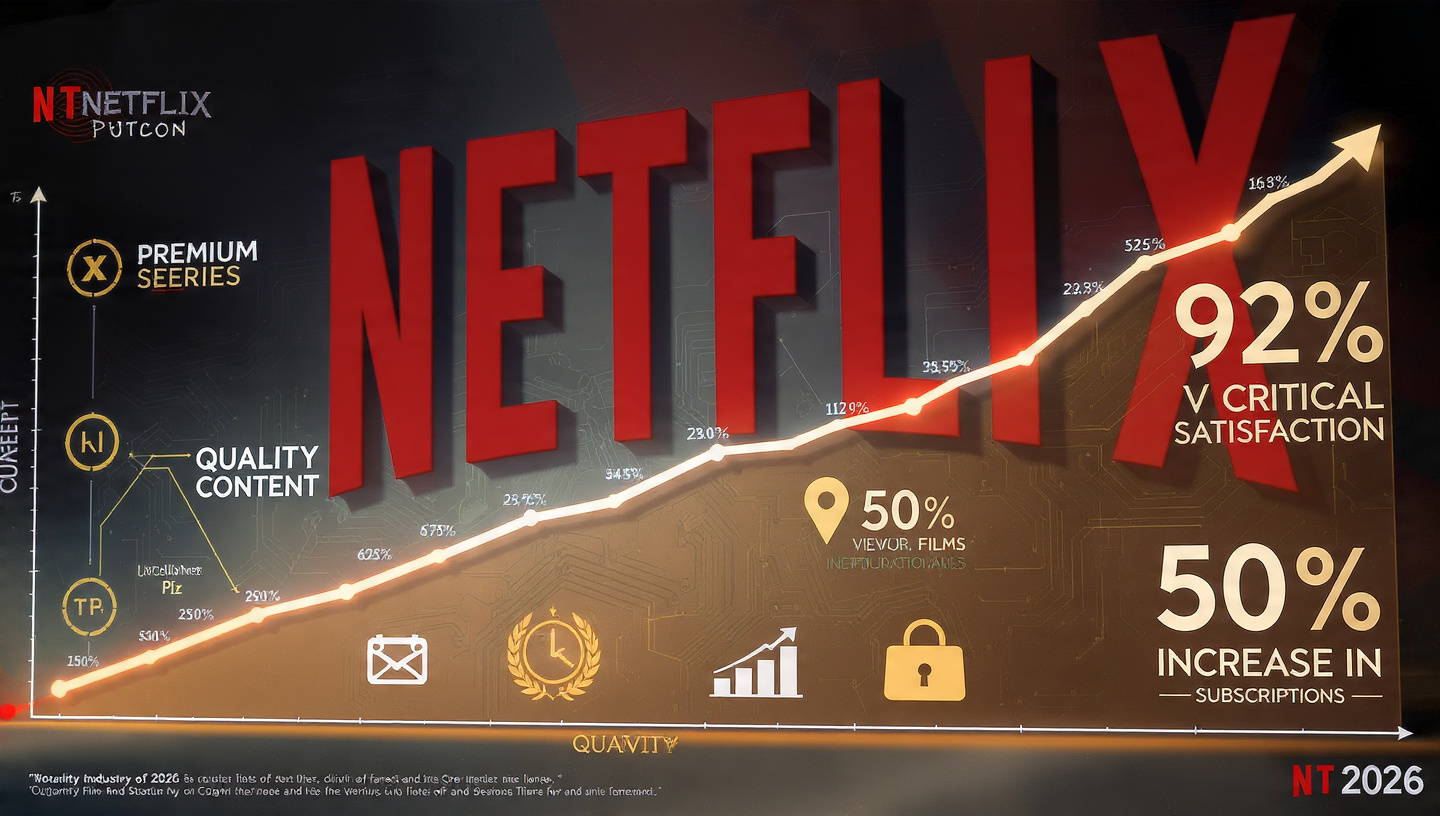
The year 2026 marks a pivotal moment in the ongoing « Streaming Wars. » The landscape has shifted dramatically, and Netflix‘s 2026 Strategy, once content with sheer volume, is now aggressively pursuing a strategy centered on « meaningful » content. At AMC Cinema Global, we’ve delved into their recent internal strategic realignments to understand how the streaming titan aims to maintain its leadership position. This isn’t just about keeping up; it’s about redefining dominance in a saturated market.
1. Content: The Strategic Ascent of the Blockbuster
Netflix has made it clear: the era of scattering budgets across numerous, smaller experimental projects is over. The company is now channeling its resources into what it terms « Mega-Franchises. » The overarching ambition is to cultivate cinematic universes that can stand shoulder-to-shoulder with established giants like Marvel and Star Wars. This isn’t a minor adjustment; it’s a fundamental reorientation of their content acquisition and development pipeline.
This strategic pivot is evident in their increasing focus on high-budget sequels and spin-offs derived from their most successful existing intellectual properties. Think extended narratives for titles like Stranger Things and Squid Game, designed to foster deeper audience engagement and long-term franchise loyalty. This approach is not without precedent; studios have historically leveraged established brands for sustained commercial success. For Netflix, it represents a calculated move to consolidate its most potent assets and build sustainable, multi-platform entertainment ecosystems. The implications for the broader industry are significant, potentially shifting production priorities and talent demands towards franchise-ready content. According to recent industry reports, major studios are already mirroring this trend, indicating a wider industry-wide recalibration towards IP consolidation.
2. The Competition: Navigating the Shifting Tides of Bundling
In 2026, the competitive threat to Netflix extends far beyond direct rivals like Disney+ or Amazon Prime Video. The new battleground is the « Bundle. » Netflix is actively forging strategic alliances, not just with other streaming services, but also with internet service providers and telecommunications companies. The objective is to offer comprehensive, « All-in-One » packages that provide a one-stop shop for entertainment.
This « Surgical » approach to market penetration is a direct countermeasure against subscriber churn—the persistent challenge of users canceling their subscriptions. By integrating Netflix into broader service offerings, the friction of a standalone subscription is reduced, and the perceived value proposition is significantly enhanced. These bundled offerings can range from discounted entertainment packages to exclusive partnerships that offer added benefits. This strategy not only broadens Netflix’s reach but also creates a more sticky ecosystem, making it harder for users to disengage. Industry analysts suggest that this bundling trend is set to dominate the subscription landscape, forcing other players to adapt or risk being left behind. Companies like Apple, with its expanding Apple One bundle, are already demonstrating the power of integrated services.
3. Pricing: The Strategic Evolution of the Ad-Supported Tier
The « Standard with Ads » plan has unequivocally become Netflix’s most potent engine for subscriber growth. This tiered pricing strategy is a masterclass in user segmentation and value perception.
Netflix’s strategy involves maintaining an attractively low price point for its ad-supported tier while incrementally increasing the cost of its premium, ad-free, 4K offerings. This deliberate pricing gap is designed to create a clear distinction between the casual viewer, who is content with a more affordable, ad-inclusive experience, and the dedicated « Cinema Enthusiast » who prioritizes the highest fidelity viewing experience, akin to an IMAX or premium cinema outing. This segmentation not only maximizes revenue across different consumer segments but also subtly reinforces the value of higher-priced tiers among its most engaged audience. Reports from Q3 2026 indeed showed a significant uptick in ad-tier subscriptions, validating this strategic direction. This model is becoming increasingly adopted across the industry; Warner Bros. Discovery, for instance, has also seen substantial growth from its ad-supported tiers, demonstrating a clear market appetite for more affordable options.
🎬 Ce que disent les critiques
The industry’s reception to Netflix’s strategic overhaul has been largely positive, albeit with a healthy dose of scrutiny. Many critics acknowledge the necessity of Netflix’s pivot towards quality and franchise-building. Variety, in a recent analysis, noted, « Netflix’s aggressive move into mega-franchises isn’t just about survival; it’s about dominance. By leveraging their existing successes, they’re building a fortress of intellectual property that will be incredibly difficult to breach. »
However, concerns linger about the potential impact on independent cinema and mid-budget films. The Hollywood Reporter highlighted this, stating, « While the focus on blockbuster content is commercially sound, there’s a palpable anxiety among filmmakers and distributors about the shrinking space for original, non-franchise stories. Netflix’s ‘quality over quantity’ could inadvertently lead to a ‘quality for the few’ scenario if not balanced carefully. »
The ad-tier evolution has also drawn attention. Forbes commented, « Netflix’s ad model is a brilliant, if somewhat cynical, play. It forces a choice: pay more for an uninterrupted premium experience, or tolerate ads for affordability. This segmentation is key to their growth, but raises questions about the long-term value of ‘premium’ tiers in a world accustomed to ad-supported everything. » The consensus is that Netflix is playing a high-stakes game, and its success will hinge on its ability to execute these bold strategies without alienating core audiences or stifling creative diversity.
4. Predictions: The Imminent Integration of Gaming
Looking ahead, the most transformative prediction for Netflix’s 2026 roadmap is the deep integration of gaming into its platform, a concept often referred to as « Playable Cinema. » This goes beyond simple mobile games tied to shows; the vision is for truly interactive movies where viewer choices have a profound impact, not just on the ending, but on the narrative unfolding in real-time.
The technological underpinning for this ambitious goal lies in advanced Generative AI. We anticipate more sophisticated interactive experiences where the narrative branches dynamically based on viewer input, potentially blurring the lines between passive viewing and active participation. This could manifest in a variety of ways, from deeper branching narratives controlled by user decisions to even incorporating real-time gameplay elements within the cinematic experience itself. The success of this venture could fundamentally alter how we consume entertainment, creating a new hybrid genre. Early internal testing suggests a strong potential for audience uptake, particularly among younger demographics already accustomed to interactive media. This move positions Netflix to capture audiences across multiple entertainment verticals, further solidifying its ecosystem.

🎥 Pourquoi ce film marque son époque
Netflix’s strategic repositioning in 2026 isn’t just a business maneuver; it’s a reflection of seismic shifts in the entertainment industry and consumer behavior. Firstly, the validation of the ad-supported model signifies a broader democratization of premium content. By offering a lower-cost entry point, Netflix is making its vast library accessible to a wider global audience, a crucial move for sustained growth in emerging markets. This challenges the traditional notion that high-quality entertainment must come with a prohibitive price tag.
Secondly, the aggressive pursuit of « Mega-Franchises » speaks to a larger trend of IP consolidation and the creation of interconnected universes. In an era saturated with content, established brands and familiar characters offer a reliable anchor for audiences, reducing the risk associated with discovering new narratives. Netflix’s success with Stranger Things and Squid Game demonstrates the immense power of leveraging existing, beloved properties to build enduring fan bases and cross-platform appeal. This approach taps into the modern viewer’s desire not just for a single movie or show, but for an immersive, ongoing narrative experience that extends across various media.
Finally, the impending integration of gaming, powered by AI, represents the next frontier in interactive entertainment. As technology advances, the passive consumption of media is evolving. Netflix’s foray into « Playable Cinema » anticipates a future where audiences are active participants in storytelling, blurring the lines between gaming and film. This visionary step aligns with the growing demand for personalized and engaging experiences, positioning Netflix at the forefront of entertainment innovation for years to come. While the technical and creative challenges are substantial, the potential to redefine the very nature of storytelling makes this a defining characteristic of Netflix’s current era.
This strategic evolution from a volume-driven platform to a curated, franchise-focused powerhouse, coupled with innovative pricing and a future embrace of interactive entertainment, cements Netflix’s position as a bellwether for the entire streaming industry. Their moves in 2026 will undoubtedly shape the competitive landscape for the foreseeable future.
For more insights into the evolving world of streaming and cinematic tech, explore our comprehensive guides at Streaming guides.
Written by
AMC CINEMA GLOBAL TEAM
Our team of passionate experts dissects the latest cinematic releases and streaming trends for you with surgical precision.



Leave a Review