All Quiet on the Western Front: A Harrowing Descent into the Psyche of War
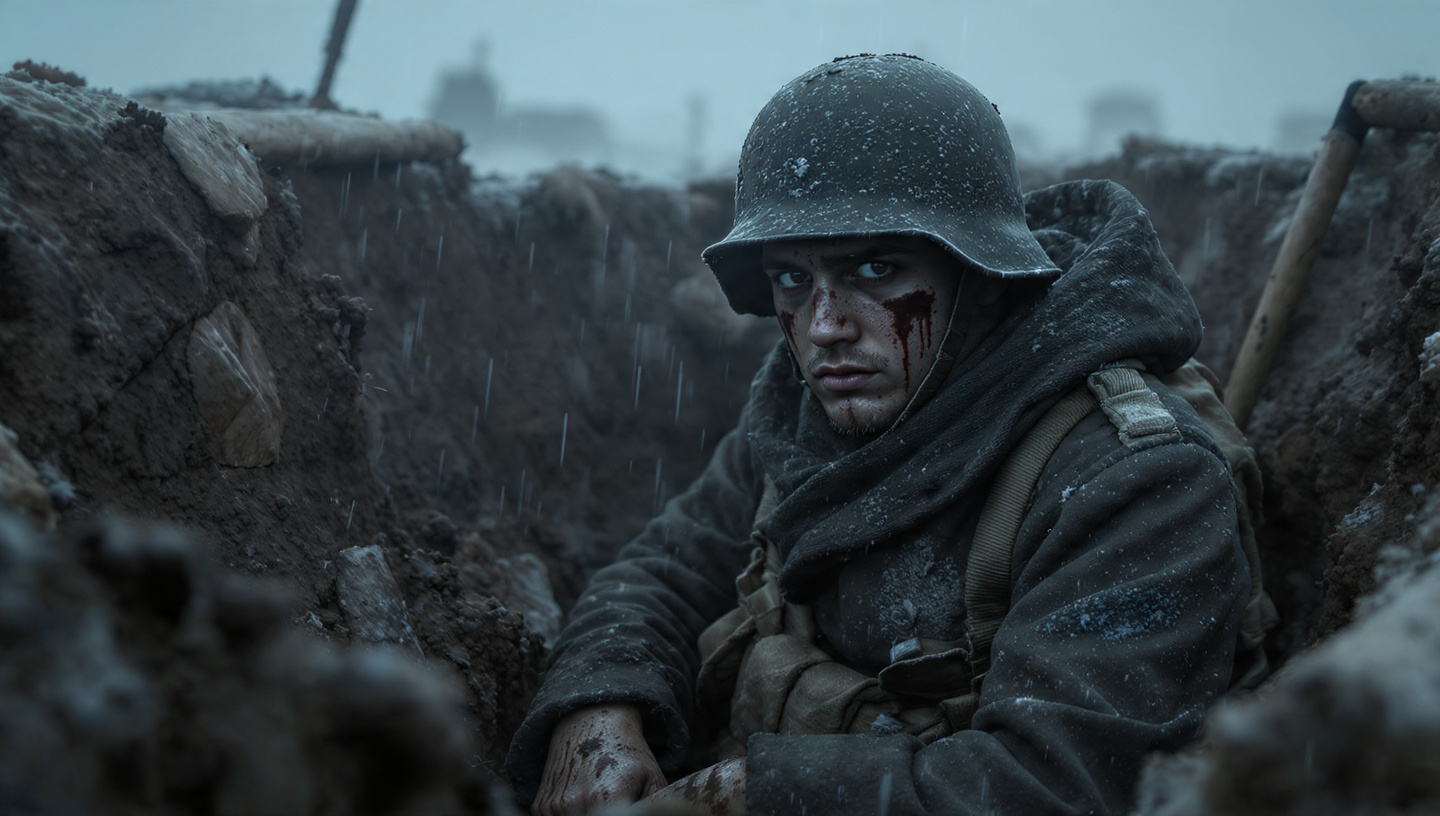
The roar of artillery, the stench of mud, the chilling silence that follows the storm – Edward Berger’s All Quiet on the Western Front is not merely a film; it is a visceral, gut-wrenching plunge into the abyss of war. For those seeking to understand how profound trauma can irrevocably scar the human spirit, this cinematic masterpiece offers a brutal, unflinching examination. As you navigate the vast landscape of streaming options, you might stumble upon this epic war drama, but be warned: it strips away any lingering romanticism associated with conflict, leaving behind a stark, devastating reality that resonates long after the credits roll. From a self-development and psychological perspective, the film stands as a harrowing study of how the crucible of war and overwhelming trauma can fundamentally reshape, and in many ways, shatter, the human soul.
The Psychology of Disillusionment: From Patriotism to a Thousand-Yard Stare
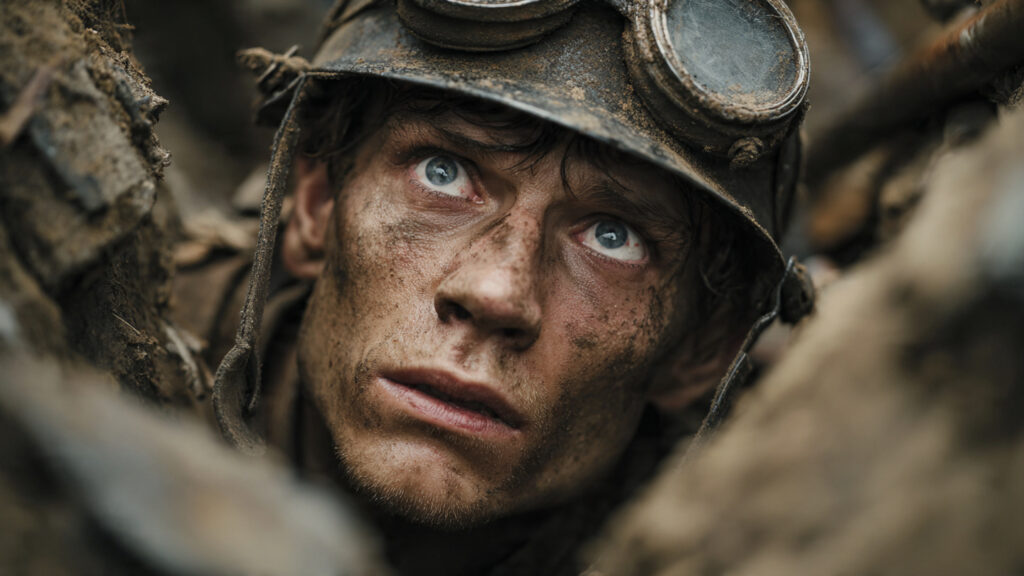
The narrative arc of Paul Bäumer, portrayed with haunting vulnerability, is the ultimate « reverse » self-development story. He begins his journey fueled by fervent nationalistic pride, a young man eager to contribute to the glory of his nation. Yet, the relentless horrors of the Western Front systematically dismantle this idealism, replacing it with a profound disillusionment that hollows him out from the inside. The film masterfully illustrates the concept of the « Thousand-Yard Stare »—that chilling psychological state of complete emotional detachment, a visible manifestation of profound trauma and suppressed suffering. For viewers interested in mental health and the enduring impact of conflict, Paul’s story serves as a potent, albeit devastating, reminder of the lasting scars of Post-Traumatic Stress Disorder (PTSD) and the agonizing loss of identity that can occur under extreme duress. This descent into psychological fragmentation is central to the film’s power, offering a stark counterpoint to the often-glorified narratives of wartime heroism. The film’s score and sound design work in tandem to amplify this internal struggle, making the audience feel the weight of Paul’s psychological burden.
Cinematic Tech: The Unsettling Symphony of Mud and Steel
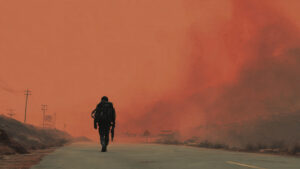
Technically, All Quiet on the Western Front is a triumph of cinematic artistry, particularly in its groundbreaking approach to sound design and visual effects. The film’s auditory landscape is terrifyingly realistic, meticulously crafted to immerse the audience in the brutal sensory experience of trench warfare. Every screech of a tank’s treads, every guttural roar of an explosion, every squelch of viscous mud underfoot, is amplified and rendered with a visceral intensity that cultivates an almost unbearable sense of claustrophobia and dread. This is a film that demands to be experienced on the best sound system possible, whether in an IMAX theater or through a high-end home entertainment setup. The contrast between the sweeping, indifferent beauty of the French countryside and the grotesque, horrific machinery of death brutally deployed upon it creates a visual and emotional tension that is profoundly unsettling and deeply memorable. The use of practical effects blended seamlessly with CGI ensures a gritty authenticity that few war films achieve. For those who appreciate the technical intricacies, exploring films that push the boundaries of sound and visual design can offer a deeper appreciation of filmmaking craft. You can discover more films celebrated for their technical prowess within our comprehensive categorization of cinematic offerings, including those in the Action genre and Sci-Fi.
The Cost of War: Beyond the Battlefield
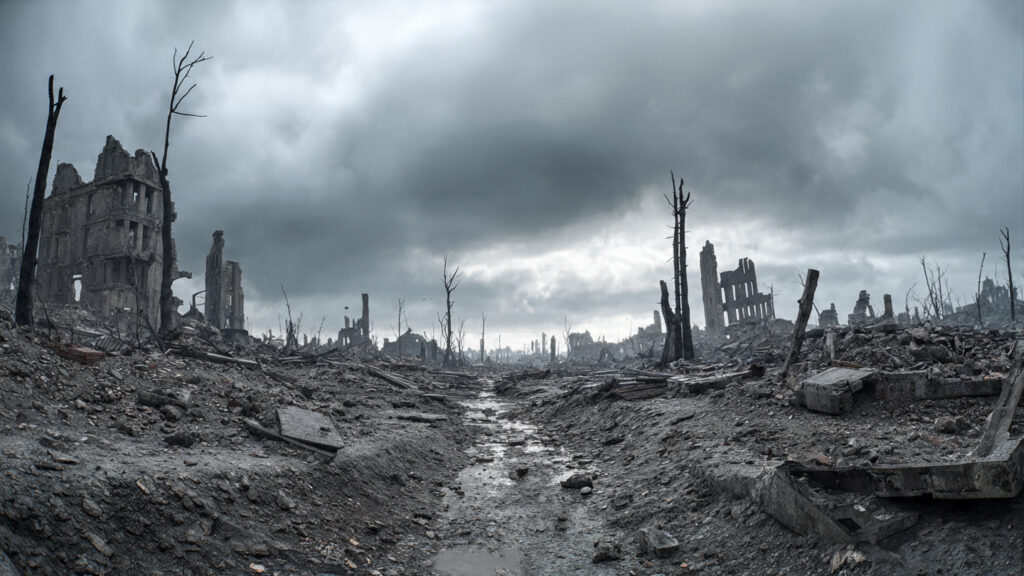
The film’s unflinching depiction of the physical and psychological toll of combat is staggering. It doesn’t shy away from the visceral reality of wounds, the rapid spread of gangrene, and the sheer exhaustion that permeates the soldiers’ existence. This relentless immersion forces the audience to confront the brutal cost of conflict, moving far beyond patriotic fervor or strategic objectives. Paul’s journey is not one of glory, but of survival, marked by constant loss. The early scenes, where young men enlist with patriotic fervor, stand in stark contrast to the gaunt, traumatized figures they become. This transformation underscores the film’s central thesis: war devours innocence and leaves behind only the shattered remnants of human beings. The film’s meticulous attention to historical detail, from the uniforms to the weaponry, lends an undeniable authenticity to its depiction of World War I. The sheer scale of destruction portrayed is breathtakingly grim, a testament to the devastating efficiency of early 20th-century warfare technology. This focus on the individual soldier’s experience within a vast, impersonal conflict situates All Quiet on the Western Front within a rich tradition of anti-war cinema, resonating with audiences who have been moved by similar powerful dramas.
🎬 What the Critics Are Saying
The critical reception for Edward Berger’s All Quiet on the Western Front has been overwhelmingly positive, with many hailing it as a monumental achievement in war filmmaking. Critics have lauded its visceral intensity, its profound psychological depth, and its unwavering commitment to portraying the brutal realities of World War I without sensationalism. Variety described it as “a thunderous, harrowing, and unforgettable cinematic experience,” emphasizing its technical brilliance and emotional impact. The Hollywood Reporter praised Berger’s direction, noting his ability to balance epic scale with intimate human drama, calling it “a masterclass in visual storytelling and empathetic filmmaking.” Rotten Tomatoes aggregator score reflects widespread critical acclaim, with many reviews highlighting the exceptional performances, particularly from Felix Kaminsky as Paul Bäumer, and the film’s powerful anti-war message. The New York Times commented on its remarkable fidelity to Erich Maria Remarque’s source material while also forging its own distinct cinematic identity, stating it’s “a necessary and potent reminder of the true face of war.” Audiences, too, have responded with profound emotion, drawn to the film’s raw honesty and its exploration of universal themes of loss, trauma, and the search for meaning in the face of unimaginable suffering. The film’s success in securing numerous awards, including its significant wins at the Academy Awards, further solidifies its status as a modern cinematic landmark lauded by both critics and the wider industry. For those seeking similar impactful dramas, our curated list of critically acclaimed films in the Drama category might offer further compelling viewing.
Audience Reception and the Modern Relevance of War Films
Beyond critical acclaim, the film has resonated deeply with audiences, sparking conversations about the enduring relevance of war narratives in contemporary society. While set over a century ago, the themes of loss, sacrifice, and the psychological toll of conflict remain strikingly pertinent. Released on Netflix, the film reached a global audience, prompting widespread engagement and discussion across social media platforms and film forums. Its success in terms of viewership and critical acclaim indicates a public appetite for profound, challenging cinema that doesn’t shy away from difficult truths. Many viewers have connected with the film’s emphasis on the individual soldier’s experience, finding it a powerful antidote to sanitised or overly nationalistic depictions of war. The discussions surrounding the film often touch upon the psychological impact of trauma, drawing parallels to contemporary conflicts and the experiences of veterans worldwide. This broad appeal underscores that while the specific historical context is World War I, the emotional and psychological core of the story transcends time and place, making it a deeply human and universally resonant piece of art. The film’s exploration of the dehumanizing nature of war and its lasting impact continues to be a powerful subject, prompting audiences to reflect on the true human cost of conflict.
The Tragedy of the Title: When Silence Speaks Volumes
The profound tragedy embedded within the very title, All Quiet on the Western Front, lies in its chilling irony. While tens of thousands perish in the brutal trenches, the official reports from military high command often state simply that « nothing new happened. » This deliberate understatement, this bureaucratic sanitization of unimaginable carnage, serves as a haunting indictment of political rhetoric and the systemic devaluation of human life. The film powerfully illustrates how the grand narratives of war, often crafted by those far removed from the front lines, serve to obscure the individual suffering and the sheer scale of loss. It is a potent call to recognize the immeasurable value of human life above the mach of political ambition and propaganda. The disconnect between the lived reality of the soldiers and the sanitized reports from above is a recurring theme, emphasizing the manipulation of information and the silencing of truth. This stark contrast highlights the film’s core message: that the true story of war is written not in official communiqués, but in the shattered lives and enduring trauma of those who fight it.
Conclusion: A Timeless Testament to the Horrors of War
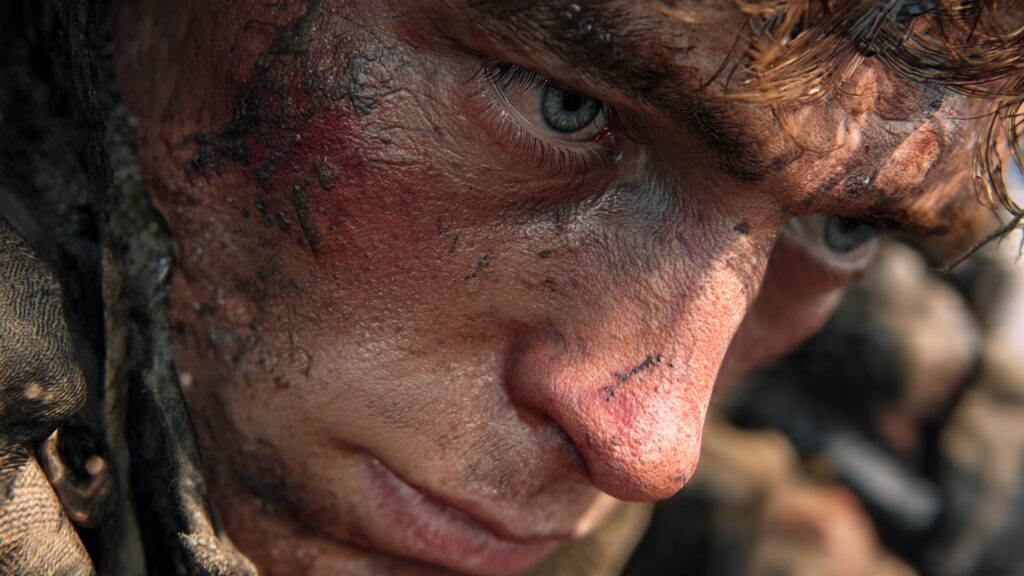
All Quiet on the Western Front is more than just a historical drama; it is a vital, urgent piece of filmmaking that forces us to confront the devastating reality of war. Edward Berger has crafted a cinematic tour de force that honours Erich Maria Remarque’s seminal novel while delivering a modern, impactful vision. The film’s technical prowess, particularly its immersive sound design and stark cinematography, combined with powerful performances, creates an experience that is both artistically profound and emotionally shattering. It serves as a crucial reminder of the sacrifices made and the trauma endured by soldiers, urging us to look beyond the propaganda and political rhetoric to the human cost of conflict. For anyone seeking to understand the true face of war and its indelible impact on the human psyche, this film is essential viewing. Its exploration of disillusionment, trauma, and the loss of innocence makes it a timeless testament to the horrors of war, a message that continues to resonate with profound urgency. If you are interested in exploring more significant cinematic works that delve into historical events and their human consequences, you might find our selection of History-themed films particularly insightful.
« The tragedy of the title—All Quiet on the Western Front—is that while thousands die, the official reports say nothing happened. It is a haunting call to value human life above political rhetoric. »
Written by
AMC CINEMA GLOBAL TEAM
Our team of passionate experts dissects the latest cinematic releases and streaming trends for you with surgical precision.


Leave a Review