Interstellar vs. Project Hail Mary: The Surgical Evolution of Space Cinematography on Your Screen
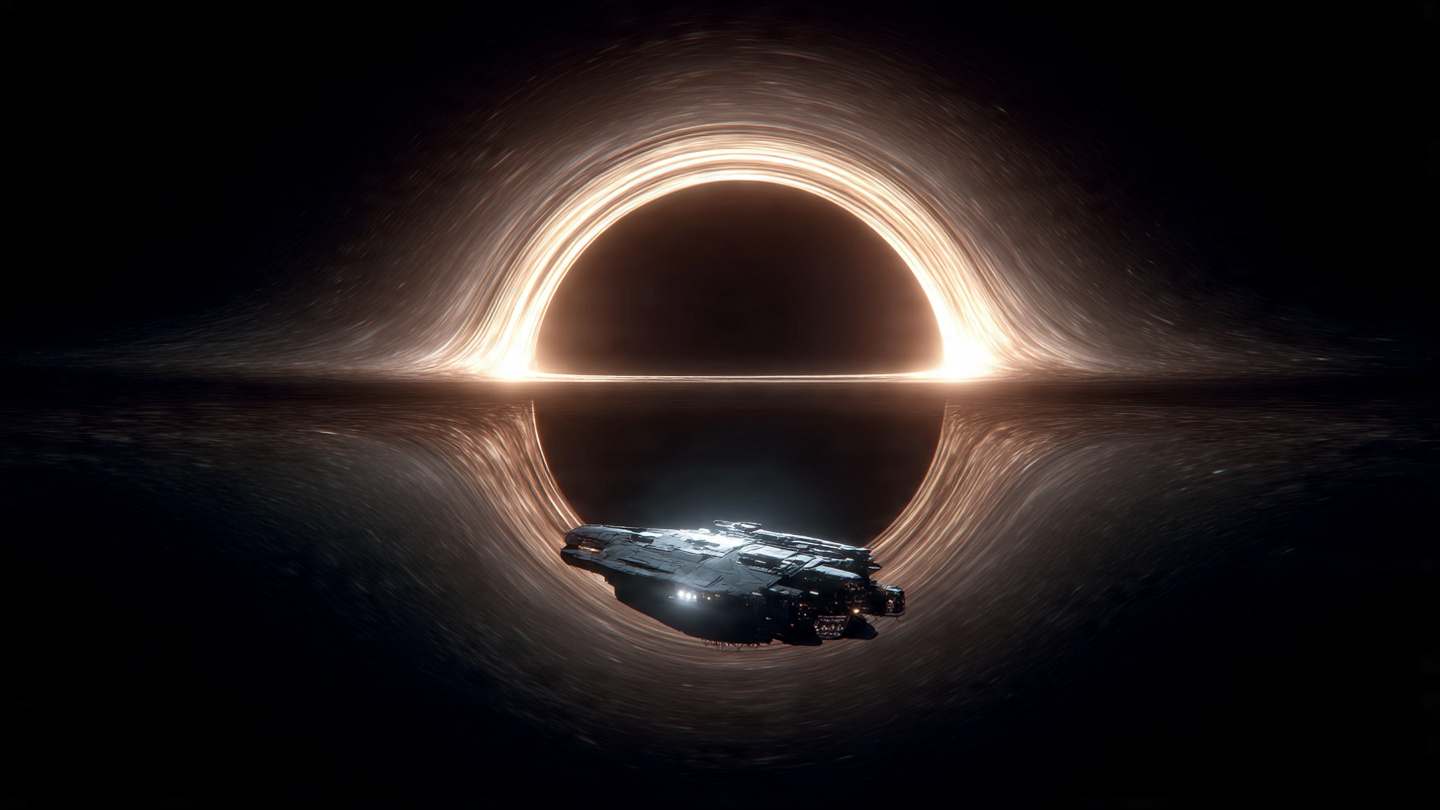
Hello cinephiles and tech enthusiasts! Léo Marchand here, bringing you the latest insights from AMC Cinema Global. We live in an era where the boundaries of cinematic experience are constantly being pushed, especially when it comes to depicting the vast, awe-inspiring, and terrifying emptiness of space. Today, we’re diving deep into a fascinating comparison that pits a modern classic against an anticipated challenger: Christopher Nolan’s Interstellar (2014) and the upcoming Project Hail Mary (2026), directed by the innovative duo Phil Lord and Christopher Miller.
Back in 2014, Interstellar didn’t just explore the cosmos; it redefined what audiences expected from space realism on screen. Nolan’s commitment to practical effects and the monumental 70mm IMAX format set a « Gold Standard » for capturing the profound silence and existential dread of deep space, particularly through the chilling depiction of the Gargantua black hole. Fast forward to 2026, and Lord & Miller are poised to challenge that legacy with Project Hail Mary. While Nolan embraced the tactile, analog power of film, Lord & Miller are leveraging the cutting edge of Surgical Digital Cinematography to translate Andy Weir’s (author of The Martian) intricate scientific concepts and thrilling narrative into a visual spectacle. But how exactly do these two giants of space cinema differ, and what does it mean for our viewing experience, especially in the age of advanced home theaters? Let’s break it down.
The Aspect Ratio: From Overwhelming Scale to Immersive Claustrophobia
One of the most immediate differences in how these films approach space lies in their use of aspect ratio and how it crafts the viewer’s perception.
Interstellar: Embracing the IMAX Canvas for Grandeur
Christopher Nolan’s masterful use of the 15/70mm IMAX format in Interstellar was a deliberate choice to convey an almost spiritual sense of scale. Remember those breathtaking shots of the Endurance spacecraft dwarfed by the colossal presence of Saturn, or the desolate beauty of Miller’s icy planet? The wider, taller aspect ratio inherent to IMAX filmmaking was used to its full potential, emphasizing the sheer insignificance of humanity against the cosmic backdrop. It wasn’t just about seeing space; it was about feeling the unimaginable distances and the profound isolation experienced by Cooper and his crew. This epic, operatic approach envelops the audience in the vastness, making the stakes feel astronomically high.
Project Hail Mary: Filling the Frame for Intimacy
Phil Lord and Christopher Miller, however, are employing the 1.90:1 IMAX Enhanced Ratio in a distinctly different manner for Project Hail Mary. While the potential for grand spectacle is undeniably present, their focus seems to be on a more intimate, visceral experience. By maximizing the verticality within the frame, particularly highlighting the confined spaces of the Hail Mary ship, they aim to create a feeling of being inside the laboratory with Ryland Grace (played by Ryan Gosling). This is where modern 4K home setups truly shine; they allow viewers to replicate this immersive, almost « first-person » perspective that digital filmmaking excels at. Instead of feeling lost in the void, you are drawn into the immediate, CQC (Close Quarters Combat) — or in this case, close quarters science — environment, making Grace’s solitary mission feel that much more personal and intense.

Light and Shadow: A Quantum Leap in Visual Fidelity
The evolution of display technology over the past decade is nothing short of revolutionary, and this is profoundly impacting how filmmakers can render the extremes of space.
Interstellar: The Analog Majesty of Light
While Interstellar‘s visuals were groundbreaking for their time, the deep blacks and controlled light were inherently limited by the capabilities of film projection and the displays available in 2014. Nolan’s team achieved a stunning representation of space, but the limitations meant that the contrast between absolute darkness and intense light sources, while impressive, couldn’t reach the granular precision we see today. The deep space shots, while evocative, possess a certain analog warmth and grain that, while beautiful, differ from the razor-sharp digital clarity.
Project Hail Mary: The Surgical Precision of Modern Displays
This is where Project Hail Mary is poised to set a new benchmark, thanks to advancements like Micro-LED and QD-OLED technologies. The lighting engine for this film is reportedly designed for High-Peak Luminosity (exceeding 2000 Nits). This means that the contrast between the Stygian black of the vacuum of space and the searing brilliance of stars like Tau Ceti can be rendered with a surgical, almost hyper-real precision. Imagine the void being truly, utterly black, and then a star blazes forth with an intensity that feels palpable. This level of detail in luminosity and contrast, especially noticeable in HDR (High Dynamic Range) presentations, makes the scientific environments feel not just believable, but tangibly real. This evolution allows for a visual experience that was simply scientifically impossible a decade ago.
Soundscapes: From Hans Zimmer’s Organ to True Acoustic Realism
Sound design is the unsung hero of cinematic immersion, and the approach taken by these two films couldn’t be more different, reflecting their core philosophies.
Interstellar: The Power of the Musical Void
Christopher Nolan famously collaborated with Hans Zimmer for Interstellar‘s iconic score. The use of a powerful, organ-heavy soundtrack was instrumental in filling the silence of space, providing an emotional and almost spiritual anchor for the audience. Zimmer’s music wasn’t just background; it was a character in itself, amplifying the awe, the dread, and the profound humanity at the heart of the story. It’s a testament to the power of music to evoke emotion and underscore the narrative, creating a truly operatic experience in the cold expanse.
Project Hail Mary: Leveraging Spatial Audio for Tangibility
In contrast, Project Hail Mary is pushing the envelope with Acoustic Realism. The sound design aims to make the scientific processes, the whirring of machinery, and the subtle environmental cues feel incredibly tangible. By leveraging advanced Spatial Audio 2.0 (think Dolby Atmos and beyond), the filmmakers are enabling audiences to « locate » sounds precisely within the ship’s hull. This means you won’t just hear a critical experiment; you’ll hear it happening to your left, or above you. This heightens the sense of presence and makes the complex scientific challenges feel immediate, personal, and deeply engaging. It’s less about filling the void with music and more about populating it with believable, directional sound.

A Decade of Space Exploration: The Technical Evolution
To truly appreciate the leap forward, let’s lay out a quick comparison:
| Feature | Interstellar (2014) | Project Hail Mary (2026) |
|---|---|---|
| Director(s) | Christopher Nolan | Phil Lord & Christopher Miller |
| Filming Format | 15/70mm Analog IMAX | Digital IMAX Enhanced (likely 4K/8K capture) |
| Visual Style | Epic, Operatic, Tactile | Surgical, Scientific, Hyper-Real |
| Sound Design | Hans Zimmer’s Score-Driven | Acoustic Realism, Spatial Audio 2.0 |
| Home Experience | Still unparalleled on 4K Blu-Ray | Aiming for AI-Upscaled / Interactive 8K |
| Core Philosophy | Human emotion in cosmic scale | Scientific problem-solving in confined space |
The Future of Space Cinema is Here (and Arriving Quickly)
Whether your heart yearns for the poetic, philosophical grandeur of Nolan’s Interstellar or you’re drawn to the analytical, problem-solving intensity of Lord & Miller’s upcoming Project Hail Mary, one thing is crystal clear: the way we experience space on screen has undergone a dramatic transformation. The advancements in digital cinematography, display technology, and immersive audio mean that cosmic adventures are becoming more visceral, more believable, and more engaging than ever before.
For cinephiles and tech enthusiasts, this is an incredibly exciting time. The evolution of space cinematography is a story in itself, reflecting not just artistic ambition but also the relentless march of technological innovation. To truly appreciate this evolution, however, your home theater setup needs to be ready. The era of IMAX Enhanced content is not just about the theatrical experience anymore; it’s about bringing that same level of breathtaking quality into your living room.
Where to Watch: Bringing the Cosmos Home
As Project Hail Mary is still upcoming, its streaming and VOD release details are yet to be confirmed. However, given its directors and likely studio backing, expect it to be available on major platforms like Amazon Prime Video or potentially hit a premium VOD window before wider digital release.
Interstellar, on the other hand, is widely available. You can typically find it for rent or purchase on:
The Psychology of Resilience: Cooper vs. Ryland Grace
« Beyond the IMAX visual spectacle, the true core of both Interstellar and Project Hail Mary lies in the psychological makeup of their protagonists. Joseph Cooper (Interstellar) is driven by an external emotional engine: his love for his daughter. For him, survival is a familial duty. In contrast, Ryland Grace (Project Hail Mary) begins his journey in total amnesia, stripped of his identity and faced with pure, raw fear.
From a self-development perspective, Grace represents a modern form of courage: resilience through problem-solving. While Cooper carries the heavy burden of destiny, Grace breaks down every existential threat into a scientific equation. It proves that even in the deepest isolation, action and curiosity are the best antidotes to despair. If Interstellar teaches us that love transcends time, Project Hail Mary reminds us that cooperation and intellect can transcend cosmic loneliness. »
For the ultimate viewing experience of Interstellar, seeking out a 4K UHD Blu-ray edition is highly recommended, as it represents the pinnacle of its cinematic presentation outside of specialized IMAX venues.
If you’re fascinated by the technical side of filmmaking, especially the evolution of visual storytelling in sci-fi, you might also enjoy our deep dive into the latest advancements in cinematic tech in our dedicated section. And for those who want to stay on top of which new releases are gracing your favorite streaming services, don’t miss our comprehensive Streaming Guides. The universe of cinema is vast, and we’re here to help you navigate it!
Written by
AMC CINEMA GLOBAL TEAM
Our team of passionate experts dissects the latest cinematic releases and streaming trends for you with surgical precision.



Leave a Review