The Future of AI Cinematography: How 2026 is Redefining Visual Storytelling
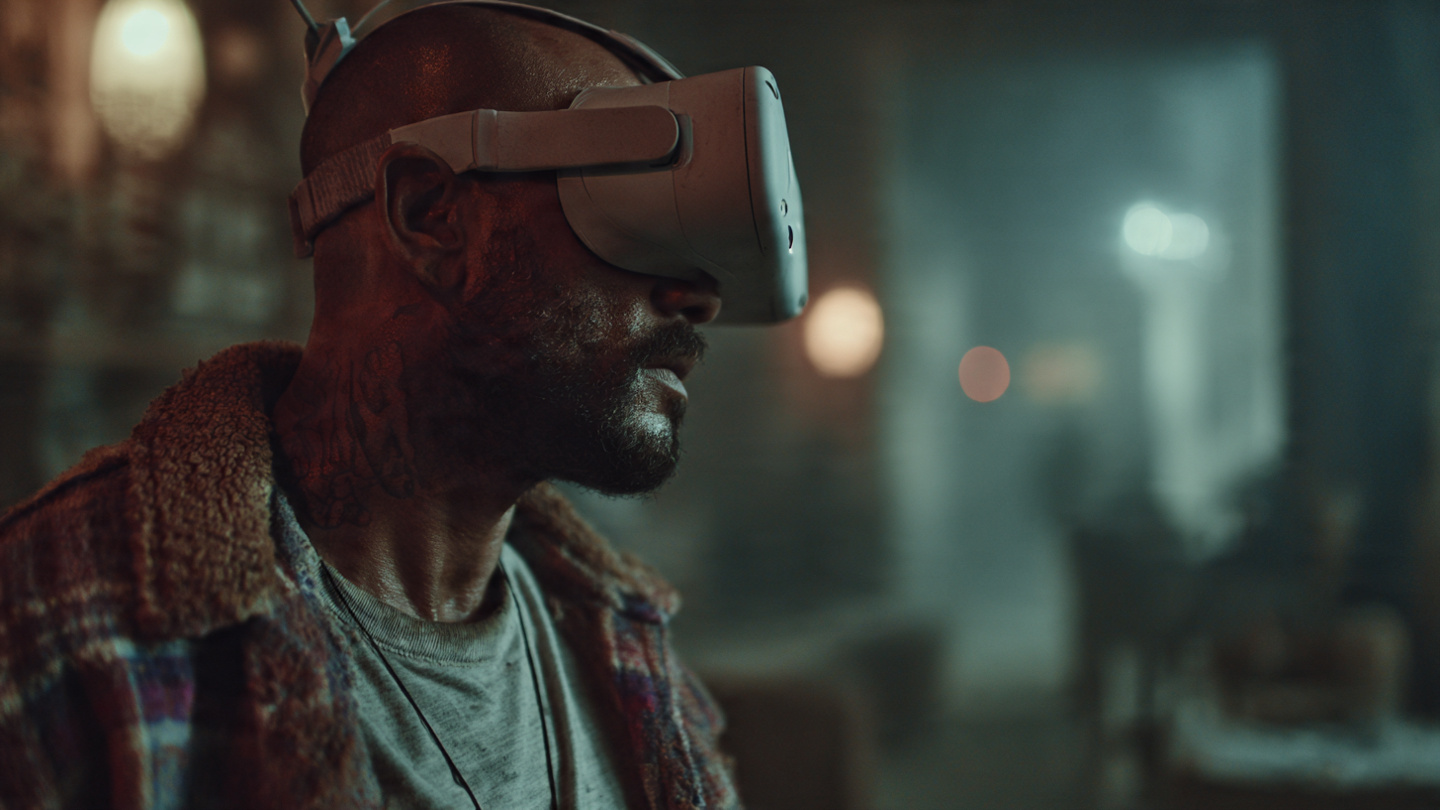
The year is 2026. The hum of servers and the intricate dance of algorithms are no longer confined to post-production studios. They are increasingly becoming integral partners on set, actively shaping the very fabric of cinematic creation. Artificial Intelligence, once a futuristic concept whispered in the halls of tech conferences, is now a tangible force redefining cinematography. As your trusted guide at AMC Cinema Global, I’m here to unpack this exciting evolution, exploring how AI is not just an assistant, but a co-creator, pushing the boundaries of visual storytelling in ways we could only dream of a few years ago. Get ready to witness a revolution that promises breathtaking visuals, unprecedented creative freedom, and a cinematic experience unlike any other.
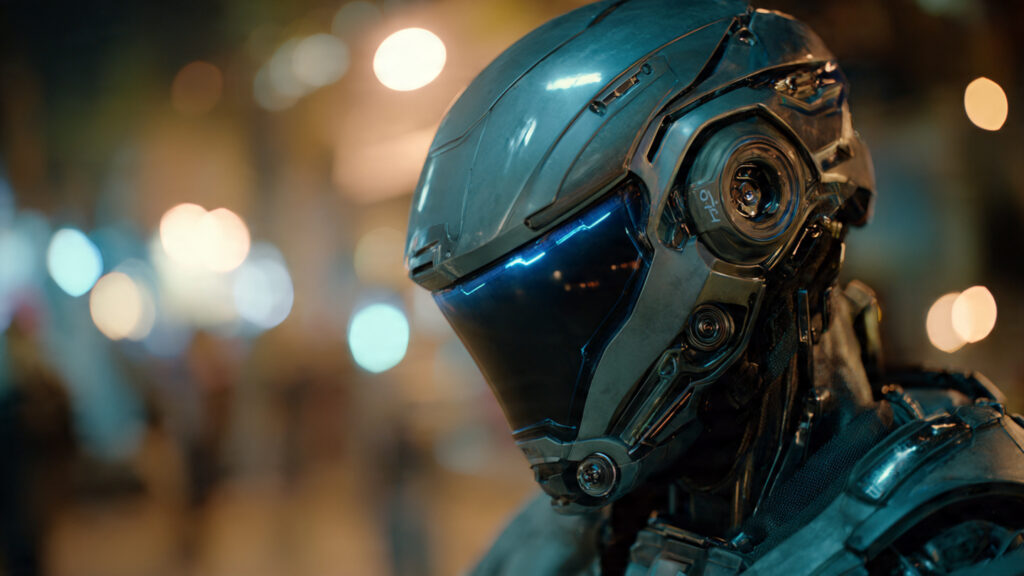
The Intelligent Lens: Cameras with Brains
Gone are the days when cameras were merely passive recorders. Today’s AI-integrated cameras are becoming intuitive collaborators. Imagine a camera that doesn’t just capture light, but understands intent. This is the reality unfolding in 2026.
Predictive Autofocus and Dynamic Framing
AI algorithms are now capable of anticipating subject movement with uncanny accuracy. This means perfectly sharp focus even in the most chaotic action sequences. Beyond focus, AI can assist with framing, subtly adjusting the shot to maintain optimal composition based on pre-defined aesthetic rules or even learning the director’s preferred style. This not only reduces the need for manual adjustments, freeing up the camera operator for more creative tasks, but also ensures a consistent visual language throughout a production.
Real-time Color Grading and Exposure Control
The dream of seeing a near-final look in your viewfinder is becoming a reality. AI can now analyze a scene in real-time and apply sophisticated color grading LUTs (Look-Up Tables) that are not just pre-set but dynamically generated. This allows directors of photography (DPs) to make crucial creative decisions on the fly, understanding the emotional impact of color and light with immediate feedback. Similarly, AI can assist with exposure, balancing the highlights and shadows in complex lighting scenarios to achieve a more pleasing and consistent image.
Procedural Generation on Set
One of the most astonishing advancements is the capacity for AI to generate elements during the shoot. We’re seeing AI assist in creating dynamic virtual sets that react to the actors’ movements, or even generate subtle atmospheric effects like mist or dust plumes that blend seamlessly with practical effects. This offers incredible flexibility and can significantly reduce the reliance on extensive green screen work and costly set construction for certain scenes.
AI as the Digital Cinematographer’s Muse
The role of the DP is undeniably evolving. Rather than fearing replacement, forward-thinking cinematographers are embracing AI as a powerful tool to augment their vision and overcome creative hurdles.
Enhancing Creative Decision-Making
AI can analyze vast datasets of existing films, identifying patterns in composition, camera movement, and lighting that have proven effective. This can serve as a powerful brainstorming tool for DPs, offering suggestions for shots or sequences they might not have considered. It’s akin to having an incredibly knowledgeable assistant who has seen every film ever made and can recall relevant techniques in an instant.
Streamlining Complex Shots
Setting up intricate camera moves, particularly those involving multiple coordinated elements, can be time-consuming. AI can assist in pre-visualizing and even executing these moves with robotic precision. Think of complex crane shots or multi-camera setups where AI can ensure perfect synchronization and timing, allowing the human crew to focus on the artistic nuances.
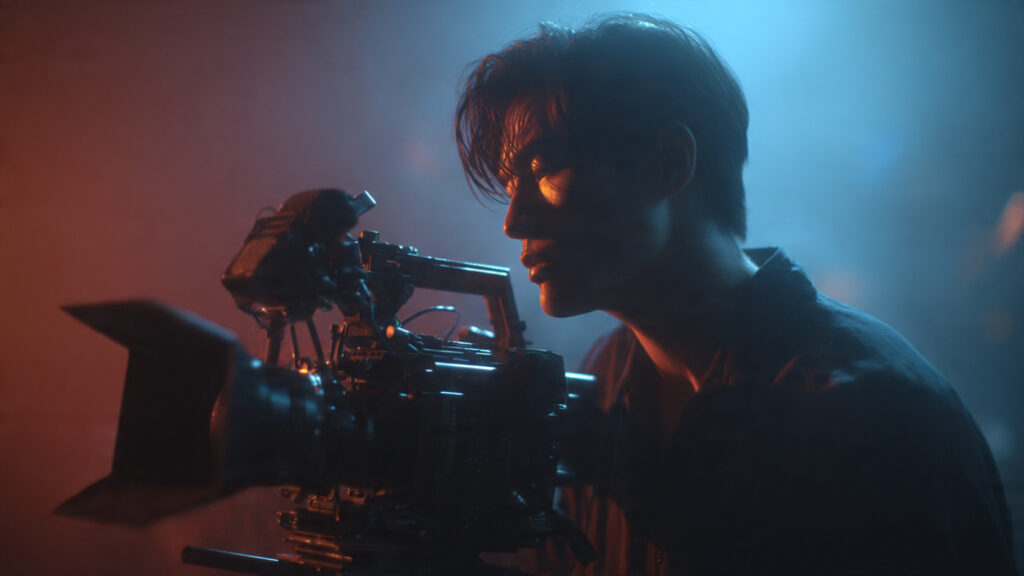
The VFX Revolution: Generative AI Takes Center Stage
While AI’s impact on the camera itself is profound, its influence on visual effects is perhaps even more transformative. Generative AI models are no longer just creating static images; they are generating dynamic, coherent video sequences.
Intelligent Asset Generation
Need a specific texture for a futuristic vehicle? Or a flock of birds to populate a sky? Generative AI can now create these assets from simple text prompts or reference images, drastically reducing the time and cost associated with traditional 3D modeling and asset creation. This democratizes the creation of complex visuals, making high-end VFX more accessible to a wider range of filmmakers.
Seamless Digital Compositing and Rotoscoping
Tasks that were once laborious and time-consuming, such as rotoscoping (isolating elements in a frame) and compositing (combining different visual elements), are being streamlined by AI. Algorithms can now identify and separate subjects from backgrounds with remarkable accuracy, allowing for far more fluid and efficient integration of live-action footage with CGI.
Deepfakes and Digital Doubles: Ethical Considerations
The rise of sophisticated AI-driven character creation and manipulation, including incredibly realistic digital doubles and the refinement of deepfake technology, presents both immense creative potential and significant ethical challenges. While these tools can allow beloved actors to « return » for new roles or enable entirely digital performances, the industry is grappling with the implications for authenticity, consent, and the very definition of performance.
Where to Stream the Future of Filmmaking?
As AI continues to weave itself into the fabric of cinema, understanding its impact is crucial for every cinephile. While dedicated documentaries on AI in filmmaking are still emerging, you can witness the results of these advancements in many of the cutting-edge films and series gracing our screens.
- Netflix: Keep an eye on their original sci-fi productions. The platform heavily invests in innovative visual storytelling, often pushing the envelope with their VFX.
- Disney+: Marvel Studios and Lucasfilm are at the forefront of integrating advanced CGI and virtual production techniques, increasingly leveraging AI-assisted workflows.
- Amazon Prime Video: Their original films often showcase ambitious visual effects, particularly in genre films that benefit from AI-driven asset creation and compositing.
- HBO Max (now Max): Known for its high-quality dramatic productions, Max also features content where subtle, yet sophisticated, visual enhancements are often powered by AI.
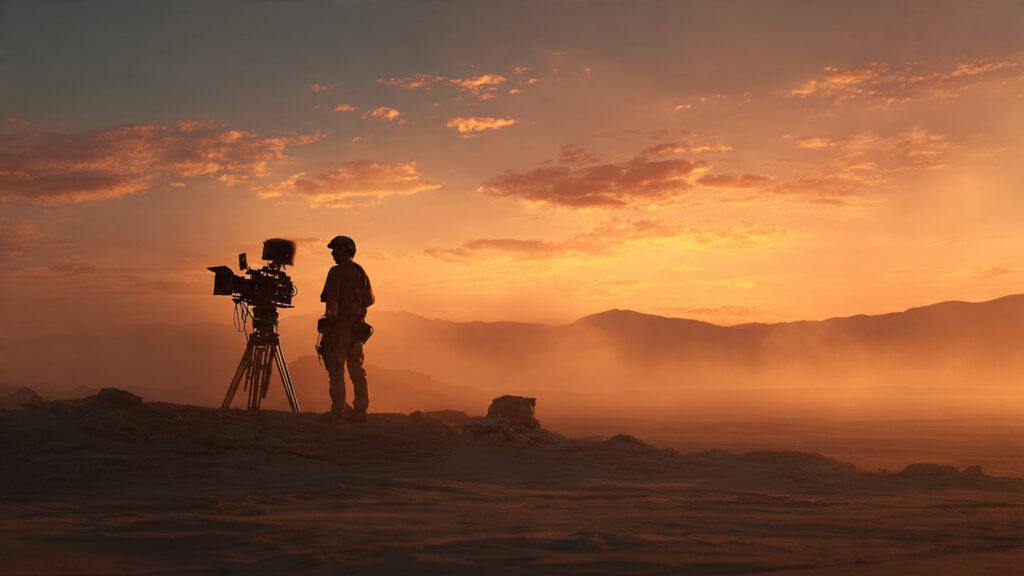
The Human Element: Collaboration, Not Replacement
It’s crucial to emphasize that AI in cinematography is not about replacing human creativity; it’s about augmenting it. The director’s vision, the cinematographer’s artistic eye, and the editor’s storytelling rhythm remain paramount. AI acts as an incredibly powerful brush, a lightning-fast assistant, or an insightful advisor, enabling filmmakers to achieve things previously thought impossible.
The year 2026 marks a pivotal moment. We are moving beyond traditional filmmaking techniques into an era where the lines between the digital and the real blur, offering unprecedented opportunities for visual expression. As AI continues to learn and evolve, the future of cinematography promises to be more imaginative, more immersive, and more breathtaking than ever before.
If you’re fascinated by the technological advancements shaping cinema, be sure to check out our in-depth articles on the latest Cinematic Tech right here on AMC Cinema Global.
For those interested in how these visual marvels are brought to life narrative-wise, dive into our latest Movie Reviews to see how filmmakers are wielding these new tools.
« Have questions about the latest cinematic tech? Our team is here to help. Contact AMC Cinema Global for expert advice. »
Written by
AMC CINEMA GLOBAL TEAM
Our team of passionate experts dissects the latest cinematic releases and streaming trends for you with surgical precision.


No reply to “The Future of AI Cinematography: How 2026 is Redefining Visual Storytelling”