Denis Villeneuve: Mastering the Art of Sci-Fi Epic Storytelling
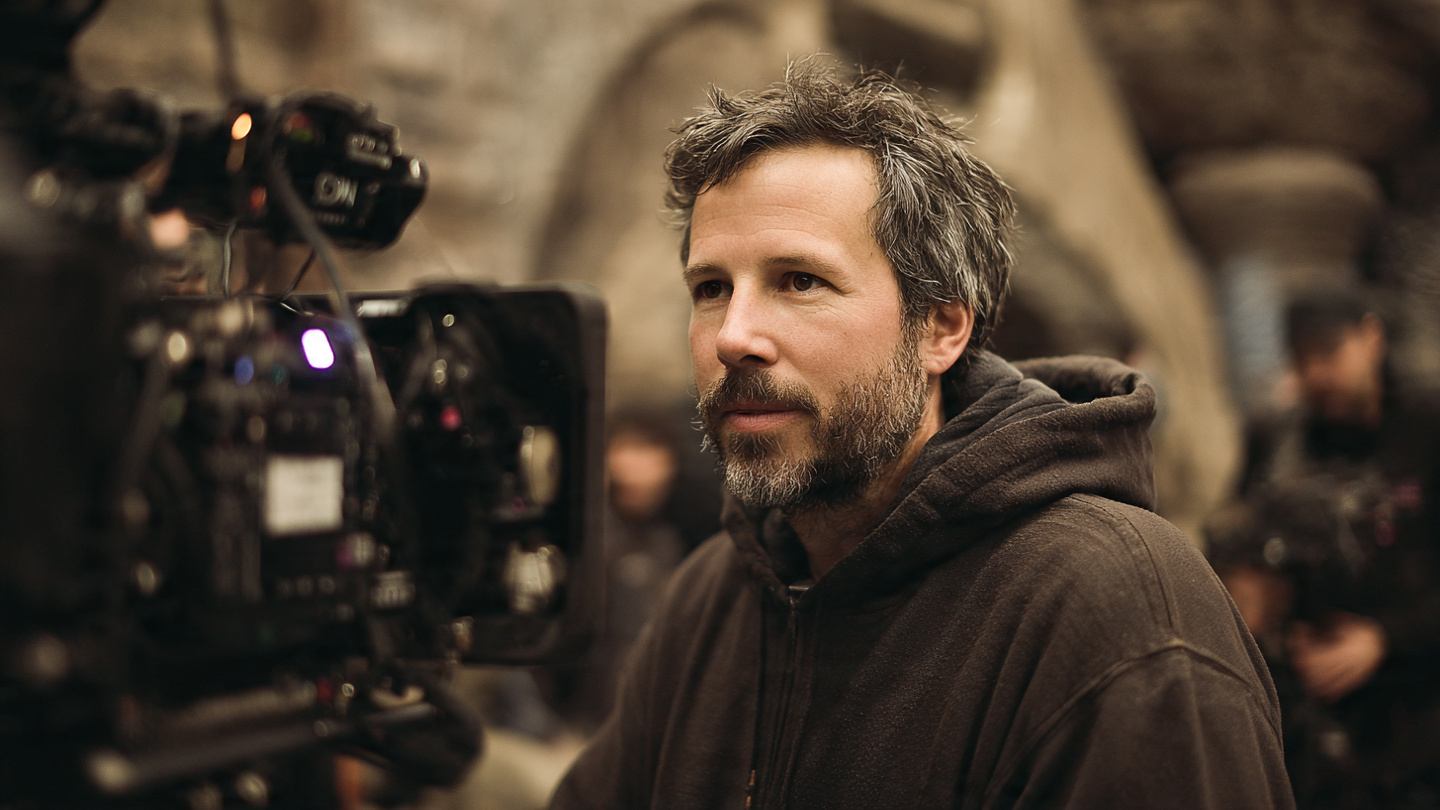
The landscape of modern science fiction cinema has been profoundly shaped by the visionary touch of Denis Villeneuve. In an era often dominated by franchise fatigue and predictable narratives, Villeneuve has carved out a unique niche, delivering films that are both intellectually stimulating and viscerally engaging. His ability to blend grand, awe-inspiring spectacle with deeply human stories has cemented his status as one of contemporary cinema’s most compelling storytellers, particularly within the sci-fi genre. We dive deep into what makes his approach so revolutionary and why his films resonate so powerfully with audiences and critics alike.

The Villeneuve Formula: Spectacle Meets Substance
What sets Villeneuve’s directorial style apart is his meticulous approach to world-building and his commitment to exploring complex themes within visually stunning frameworks. He doesn’t just create movies; he crafts immersive experiences that linger long after the credits roll. His films often grapple with profound questions about humanity, destiny, and our place in the universe, all while delivering breathtaking visuals and a palpable sense of tension.
From Arrival to Dune: A Trajectory of Visionary Filmmaking
Villeneuve’s journey to becoming a sci-fi titan wasn’t immediate, but his early work hinted at the directorial prowess that would later define his genre work. However, it was with films like Arrival (2016) and the two-part epic Dune (2021 & 2024) that he truly announced his mastery of the science fiction genre on a global scale. These films, while vastly different in scope and narrative, share a common DNA: a commitment to nuanced character development, a deep respect for the source material (where applicable), and an unparalleled sense of visual grandeur.
- Arrival (2016): This film, based on Ted Chiang’s short story « Story of Your Life, » redefined the alien encounter narrative. Instead of focusing on invasion or immediate conflict, Arrival explored the profound challenges of communication and empathy. Amy Adams’s performance as Dr. Louise Banks, a linguist tasked with deciphering alien communication, was central to the film’s emotional core. The film’s intricate narrative structure, which plays with time and memory, earned it widespread critical acclaim and a place among the finest thoughtful science fiction films of the 21st century. Its estimated production budget was around $47 million, and it grossed over $203 million worldwide, a significant return that demonstrated a strong audience appetite for intelligent sci-fi. Its IMDb rating stands at an impressive 7.9, and Rotten Tomatoes gave it a critical score of 94%.
- Dune (2021) and Dune: Part Two (2024): Adapting Frank Herbert’s seminal novel was a challenge many considered insurmountable. Villeneuve, however, embraced the complexity, delivering two visually spectacular and narratively rich installments. Dune: Part One introduced audiences to the intricate political landscape of Arrakis, the sandworms, and the struggle for spice. Its massive scale and evocative sound design created an unparalleled cinematic experience. The film was a box-office success, grossing over $402 million globally against a budget of around $165 million. It garnered critical praise for its faithful yet accessible adaptation and Villeneuve’s visionary direction, boasting an IMDb rating of 8.0 and a Rotten Tomatoes score of 83%. Dune: Part Two continued the epic saga, expanding on the themes of prophecy, vengeance, and the very nature of leadership. It further solidified the franchise’s status as a modern sci-fi landmark, with its own impressive box-office performance and critical accolades. These films are prime examples of how Villeneuve can translate intricate literary worlds into breathtaking cinematic realities. The journey of Paul Atreides, a narrative arc that spans political intrigue, spiritual awakening, and warfare, is a testament to Villeneuve’s ability to manage vast, complex sagas.

Beyond the Spectacle: The Core of Villeneuve’s Appeal
While the visual artistry of Villeneuve’s films is undeniable, their true power lies in their thematic depth and emotional resonance. He consistently grounds his fantastical worlds in relatable human experiences and struggles.
The Human Element in an Alien World
Villeneuve’s protagonists are rarely just archetypes. They are flawed, complex individuals grappling with personal demons, moral dilemmas, and profound emotional stakes. Whether it’s Louise Banks confronting the limits of human understanding, or Paul Atreides wrestling with a precocious destiny, the audience is invited to connect with their inner turmoil. This focus on the human condition, even amidst alien landscapes or futuristic technologies, is a cornerstone of his storytelling. He expertly uses the genre not just for escapism, but as a crucible to examine what it truly means to be human.
A Masterclass in Pacing and Atmosphere
One of the hallmarks of a Villeneuve film is its deliberate pacing and potent atmosphere. He understands the power of silence, the impact of a lingering shot, and the effect of a carefully constructed soundscape. His films rarely rush; instead, they allow viewers to absorb the weight of the narrative and the richness of the world being presented. This unhurried approach builds a powerful sense of immersion and allows the emotional and thematic elements to truly land. It’s this meticulous control over mood and tone that makes his sci-fi epics feel so profound and, at times, even meditative.
From Blockbusters to Blockbuster Debates: Villeneuve’s Impact on the Industry
Denis Villeneuve’s success is not just a personal triumph; it’s a significant development for the science fiction genre and the film industry as a whole. He has proven that audiences are hungry for intelligent, ambitious, and artistically driven blockbusters.
Redefining Sci-Fi Franchises
In an industry often driven by sequels and established IP, Villeneuve’s approach to adapting Dune stands out. He didn’t just make a movie; he forged an event. The success of the Dune saga has not only revitalized interest in Herbert’s work but has also provided a blueprint for how beloved, complex literature can be translated to the screen with fidelity and artistic integrity. This contrasts with many franchise entries that rely on relentless action and fan service, offering instead a more contemplative and rewarding cinematic experience. He has demonstrated that epic sci-fi can be both critically acclaimed and commercially successful when handled with such vision.
The « Villeneuve Effect » on New Talent
His work has inspired a new generation of filmmakers to pursue ambitious, genre-bending projects. By consistently delivering films that achieve a rare balance of artistic merit and mainstream appeal, he has shown that it is possible to push creative boundaries within the studio system. This opens doors for more diverse and thoughtful storytelling across various genres, not just science fiction. His influence can be seen not only in the visual style of subsequent films but also in the willingness of studios to invest in original or complex adaptations once thought too risky.
🎬 What the Critics Are Saying
The critical reception of Denis Villeneuve’s work, particularly his science fiction endeavors, has been overwhelmingly positive, often highlighting his unique ability to marry visual spectacle with intellectual depth. Critics consistently praise his command of scale and his talent for crafting palpable atmospheres that draw audiences into his meticulously built worlds.
« Villeneuve has a rare gift for conveying immense scale and complex emotional nuance simultaneously, » noted a prominent critic for Variety when discussing Dune: Part Two. « He doesn’t just show us alien worlds; he makes us feel their gravity, their history, and the weight of the decisions faced by his characters. »
The focus on nuanced character studies within grand narratives is another frequently lauded aspect. Arrival, for instance, was lauded by The Hollywood Reporter as « a triumph of intelligent science fiction, » emphasizing Amy Adams’s « career-defining performance » and Villeneuve’s masterful direction in crafting a story that is « both deeply personal and cosmically profound. » The film’s exploration of language and time resonated with audiences and critics, who saw it as a refreshing departure from typical alien invasion fare.
When discussing Blade Runner 2049, which he directed after Arrival, critics lauded its contemplative nature and philosophical undertones. Despite its challenging runtime and thought-provoking themes, The Guardian’s review acknowledged Villeneuve’s « unflinching commitment to his vision, » calling it « a rare sequel that expands upon its predecessor’s legacy while forging its own distinct identity. » This film, with its budget around $155 million and global gross of over $267 million, proved that audiences were receptive to slower, more introspective science fiction narratives when executed with Villeneuve’s characteristic artistry.
Overall, the consensus among reviewers is that Villeneuve is a filmmaker who approaches even the most spectacular concepts with intellectual rigor and humanistic empathy, making his science fiction films not just entertaining spectacles but meaningful cinematic experiences. His work consistently earns high marks on aggregate sites, with Arrival boasting an 8.0 on IMDb and Blade Runner 2049 sitting at 8.0 as well, reflecting this widespread critical and audience appreciation.
🎥 Why This Film Marks Its Era
Denis Villeneuve’s science fiction films, particularly Arrival and the Dune saga, are defining the current era of cinematic storytelling for several compelling reasons. In a period often characterized by reboots, sequels, and a cautious approach to originality, Villeneuve has fearlessly championed ambitious, auteur-driven blockbusters. His work demonstrates that audiences crave more than just visual effects; they yearn for narratives that provoke thought, explore complex emotions, and resonate on a deeper, more philosophical level.
The way he handles adaptation, especially from literary giants like Frank Herbert, sets a new standard. He respects the source material’s complexity and thematic richness, translating it into a cinematic language that is both faithful and accessible to a broad audience. His Dune films, in particular, have brought a dense, challenging novel to life in a way that feels both grand and intimate, capturing the political intrigue, ecological themes, and mystical elements with remarkable fidelity. The success of these films suggests a growing audience appetite for epic storytelling that doesn’t shy away from challenging ideas or a more deliberate pace.
Furthermore, Villeneuve’s mastery of visual storytelling, combined with his keen understanding of sound design and atmosphere, creates immersive experiences that are almost unparalleled. His films are not just watched; they are felt. He uses the cinematic medium to its fullest potential, evoking a sense of awe, wonder, and sometimes dread, that few directors can achieve. This ability to craft such potent, atmospheric worlds, whether it’s the inscrutable alien ships in Arrival or the desolate vastness of Arrakis in Dune, makes his work distinctly of this moment, pushing the boundaries of what science fiction cinema can achieve visually and thematically. He’s proving that smart, artistic, and visually stunning sci-fi can be the ultimate tentpole entertainment.
The Future of Sci-Fi, Through Villeneuve’s Lens
As Denis Villeneuve continues to explore the vast potential of science fiction, his contributions are not merely adding to the genre’s canon; they are actively reshaping it. His consistent ability to captivate audiences with tales that are simultaneously vast in scope and intimate in their emotional core is a testament to his unique vision. Whether he delves into the complexities of human connection across species or navigates the political and spiritual currents of a distant planet, his films serve as crucial reminders of cinema’s power to transport, enlighten, and inspire. For those seeking cinematic experiences that linger and provoke, Villeneuve’s work is an essential exploration, found right here on AMC Cinema Global.

Discover more epic sci-fi adventures and thoughtful cinematic journeys in our Action and Sci-Fi sections, and explore other critically acclaimed films on AMC Cinema Global.
Written by
AMC CINEMA GLOBAL TEAM
Our team of passionate experts dissects the latest cinematic releases and streaming trends for you with surgical precision.



No reply to “Denis Villeneuve: Mastering the Art of Sci-Fi Epic Storytelling”