The Power of Mind: A Deep Psychological Movie Analysis of Joker
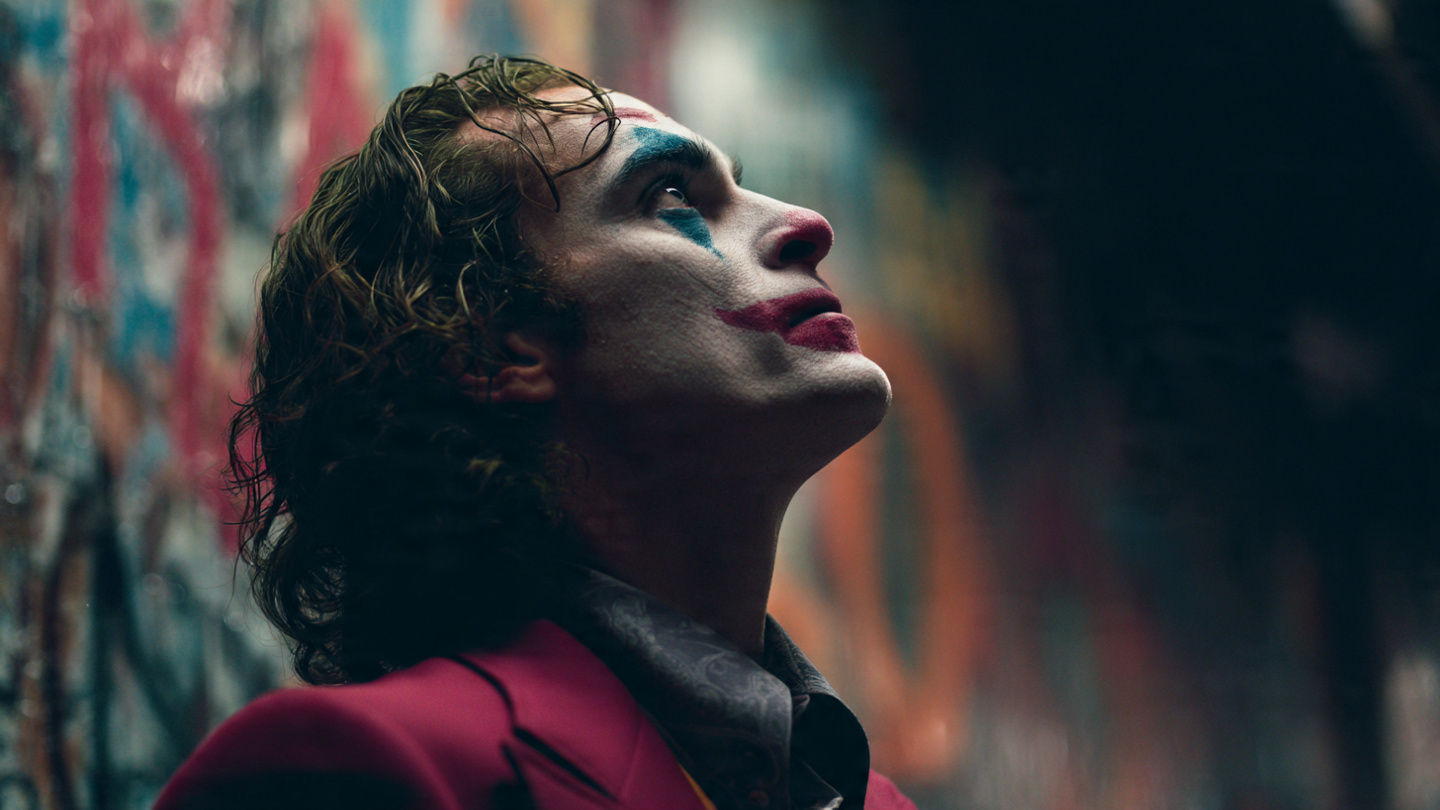
In the shadowed, rain-slicked streets of Gotham City, a character emerged who was as much a symptom as a villain. Todd Phillips’ 2019 masterpiece, Joker, offers a compelling subject for psychological movie analysis, presenting a stark and unflinching look at Arthur Fleck, a man teetering on the brink of madness, his transformation meticulously charted with a raw, visceral intensity. This wasn’t just a comic book movie; it was a deeply unsettling psychological study that resonated far beyond the confines of its genre, forcing audiences to confront uncomfortable truths about mental illness, societal neglect, and the insidious birth of nihilism. The film’s success wasn’t merely in its box office numbers, but in its ability to provoke thought and discussion, leaving an indelible mark on contemporary cinema.

Key Details
Director: Todd Phillips
Cast: Joaquin Phoenix, Robert De Niro, Zazie Beetz, Frances Conroy, Brett Cullen
Distributor / Studio: Warner Bros. Pictures / DC Films
Release Date: October 4, 2019
Runtime: 122 minutes
The Genesis of Arthur Fleck: A Portrait of Neglect
Arthur Fleck’s story is not one of a born monster, but of a man systematically broken by his environment. From his early life, we see a pervasive sense of isolation and a desperate yearning for connection. His job as a party clown, a symbol of forced jollity, is a constant reminder of the chasm between the facade he must present and the emptiness he feels within. The film masterfully illustrates how societal apathy and a fractured support system can erode an individual’s sense of self, paving the way for a complete psychological breakdown.
Childhood Trauma and Its Lingering Scars
The revelations about Arthur’s past are crucial to understanding his present. The abuse he suffered at the hands of his mother, Penny, and the subsequent cover-up of this abuse by the state, planted seeds of deep-seated trauma. These buried memories, combined with his neurological condition that causes uncontrollable laughter, make him a perpetual outsider. His attempts to navigate a world that offers him no kindness only exacerbate his internal turmoil, turning his pain into a festering wound.
The Weight of Societal Disregard
Gotham City itself becomes a character in Arthur’s unraveling. It is a city rife with socioeconomic disparity, where the wealthy elite are oblivious to the suffering of the marginalized. Arthur is a product of this neglect – a recipient of inadequate mental health care, a victim of random violence, and someone whose pleas for basic human dignity go unheard. His plight highlights how systemic failures can directly contribute to the radicalization of vulnerable individuals. This societal decay is a recurring theme in crime dramas, where the environment often mirrors the bleak inner state of its characters. You can explore more such narratives in our crime trailer section.
The Unraveling: From Arthur to Joker
Arthur’s descent is not a sudden event but a gradual implosion. Each instance of rejection, humiliation, and violence chips away at his sanity, pushing him further into a world of delusion and aggression. The film eschews a traditional hero’s journey, instead opting for a tragic descent into villainy, forcing viewers to grapple with the uncomfortable question: can Arthur Fleck truly be blamed for his actions?
The Catalyst of Violence
The subway incident, where Arthur retaliates against his tormentors, marks a significant turning point. In that moment of primal rage, he experiences a sense of power and agency he has never felt before. This act of violence, though reprehensible, becomes an intoxicating release from his constant suffering. It’s the moment the mask of Arthur Fleck begins to truly crack, revealing the nascent Joker beneath. This theme of violent catharsis, while dark, is explored in various action films as well, though rarely with such psychological depth.
Embracing the Chaos
As Arthur retreats further into his psyche, he begins to embrace the persona of the Joker. The laughter that once tormented him now becomes a weapon, a symbol of his defiance against a world that mocks him. His transformation is fueled by a growing nihilistic philosophy, inspired by the television host Murray Franklin. Arthur starts to see the absurdity in everything and decides to become the agent of that chaos, believing that the world needs a stark, brutal awakening.

The Symbolism and Societal Commentary
Joker is a film rich with symbolism, using its visual language and narrative threads to comment on broader societal issues. The dark, grimy aesthetic of Gotham mirrors the moral decay and social unrest that permeates the film’s world. The iconic red nose, the vibrant makeup, and the unsettling smile are all outward manifestations of Arthur’s internal fragmentation.
The Clown as a Metaphor
The clown, traditionally a figure of joy and entertainment, is subverted in Joker to represent societal failure and the hidden pain of the marginalized. Arthur, in his clown persona, is constantly subjected to ridicule and violence, a tragic irony that underscores the film’s critique of how society treats those it deems different or burdensome. This subversion of expectations can also be seen in many modern fantasy films, where familiar archetypes are reimagined.
The Power of Media and Influence
The role of media, particularly Murray Franklin’s talk show, is central to Arthur’s narrative. Franklin, a figure of affection and respect for Arthur, ultimately becomes a target when he mocks Arthur on air. This highlights how figures of influence can inadvertently, or intentionally, fan the flames of societal discontent. The media’s portrayal of Arthur, and the public’s reaction to his violent acts, also reflects a troubling fascination with chaos and anti-establishment sentiment. For more on how media influences perception, you might find our articles on cinematic tech insightful, exploring how filmmaking shapes narratives.
A Tragic Masterpiece on Mental Health
Perhaps the most significant aspect of Joker‘s power lies in its unflinching portrayal of mental illness. The film does not shy away from the difficulties Arthur faces in accessing reliable mental healthcare or the stigma associated with his condition. His journey is a stark reminder of the devastating consequences of untreated mental health issues and the urgent need for greater understanding and support.
The Stigma of Mental Illness
Arthur’s uncontrollable laughter serves as a constant physical manifestation of his internal struggle, setting him apart and making him a target for ridicule. The film’s narrative, however, humanizes his condition, showing the profound isolation and pain it causes. It challenges the audience to empathize with Arthur, even as his actions become increasingly disturbing, forcing a critical examination of societal biases.
The Failure of the System
The film explicitly depicts the systemic failures that contribute to Arthur’s breakdown. The inadequacy of the community mental healthervices, budget cuts, and the bureaucracy he faces all play a role in his deteriorating state. This critique of the system is not an excuse for his violence, but an important contextualization that highlights the societal responsibility in preventing such tragedies. Our streaming guides often feature films that tackle complex social issues, and Joker certainly stands out among them.

The Legacy and Impact of Joker
Joker‘s impact was profound and far-reaching. It sparked intense debate, earned critical acclaim, and achieved monumental box office success, proving that darker, character-driven stories could thrive within the superhero genre. Joaquin Phoenix’s tour-de-force performance earned him an Academy Award for Best Actor, cementing the film’s place in cinematic history.
A New Kind of Comic Book Movie
Joker redefined what a comic book adaptation could be. It moved away from the traditional good-versus-evil narrative and delved into the complex psychology of a villain, offering an origin story that was both compelling and deeply disturbing. This approach paved the way for other studios to explore more mature and thematically rich adaptations. The film’s gritty realism and character focus can be compared to certain crime dramas that eschew supernatural elements for grounded, gritty narratives. For a closer look at such cinematic experiences, explore our crime film trailers.
Controversy and Critical Reception
The film was not without its controversy. Concerns were raised about its depiction of violence and its potential to inspire copycat acts. However, many critics lauded its artistic merit, its exploration of timely social issues, and its powerful performance by Phoenix. The debate surrounding the film ultimately underscored its capacity to provoke meaningful discussion about violence, mental health, and societal responsibility. External sources like Variety and The Hollywood Reporter covered these discussions extensively.
Conclusion: The Enduring Power of a Broken Mind
Joker is more than just a character study; it’s a chilling reflection of societal failings and the devastating impact of neglect and trauma. Arthur Fleck’s disintegration into the Joker is a narrative that forces us to confront the « other » and question the systems that marginalize and break the most vulnerable among us. The film’s brilliance lies in its ambiguity and its refusal to offer easy answers, leaving the audience to ponder the complex interplay of personal pathology and societal influence. It’s a cinematic achievement that continues to resonate, prompting dialogues about empathy, mental health, and the nature of villainy itself.
What do you think? Let us know in the comments below!
Sources
- Variety: Joker Movie Reactions: Joaquin Phoenix, Todd Phillips Premiere Film to Mixed Reviews but Standing Ovation – Link
- The Hollywood Reporter: ‘Joker’ Trailer Reaction: Joaquin Phoenix is Unsettling in Todd Phillips’ Origin Story – Link
- IMDb: Joker (2019) – Link
Written by
AMC CINEMA GLOBAL TEAM
Our team of passionate experts dissects the latest cinematic releases and streaming trends for you with surgical precision.



No reply to “The Power of Mind: A Deep Psychological Movie Analysis of Joker”